Water extraction and controlled removal
Pumping and extraction first, then selective removal of unsalvageable materials when needed (baseboards, wet padding, swollen drywall) so trapped moisture is not left behind.
Serving Orlando, Florida & surrounding areas
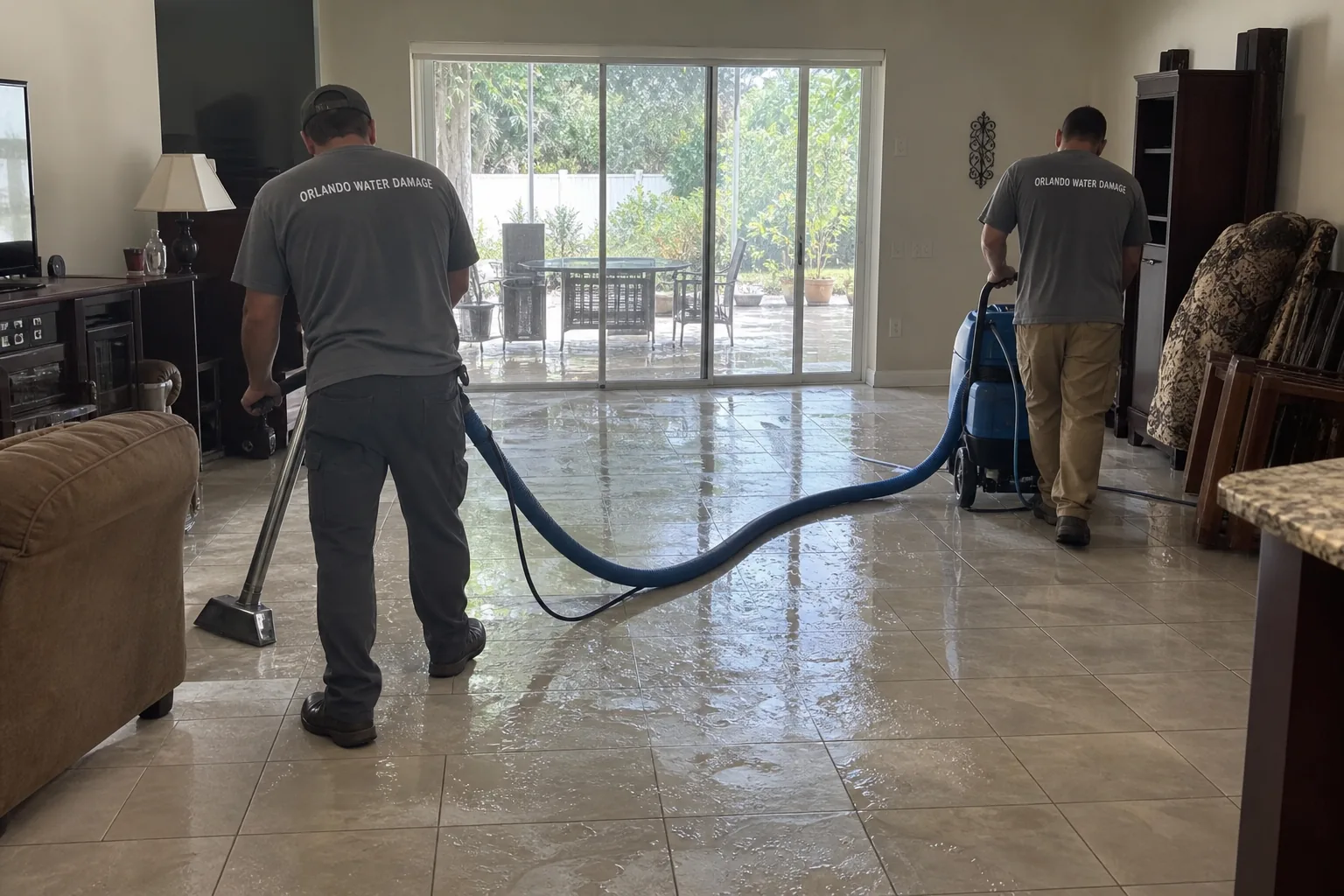
Water Restoration Service in Orlando
When water gets in, time matters. Get a clear plan for extraction, drying, and restoration work that protects your home or business and helps prevent secondary damage.
Fast action, verified drying
Water restoration Orlando work is a race against time. In Florida humidity, wet drywall, insulation, and flooring can hold moisture long after the visible water is gone, which can lead to odors, swelling, and microbial growth. Orlando Water Damage focuses on the full restoration cycle: removing water, documenting conditions, drying the structure, and coordinating repairs so the space is safe and usable again.
We work on residential and commercial losses caused by plumbing leaks, appliance failures, overflowing fixtures, roof leaks, and storm-driven water intrusion. If you are unsure whether the water is clean or contaminated, treat it as unsafe until it is assessed. A written scope and moisture readings are what keep a restoration job on track, so you know what is being dried, what needs to be removed, and what can realistically be saved.
For an overview of our broader restoration support across the area, you can also review our water damage restoration services.
A complete restoration scope
Pumping and extraction first, then selective removal of unsalvageable materials when needed (baseboards, wet padding, swollen drywall) so trapped moisture is not left behind.
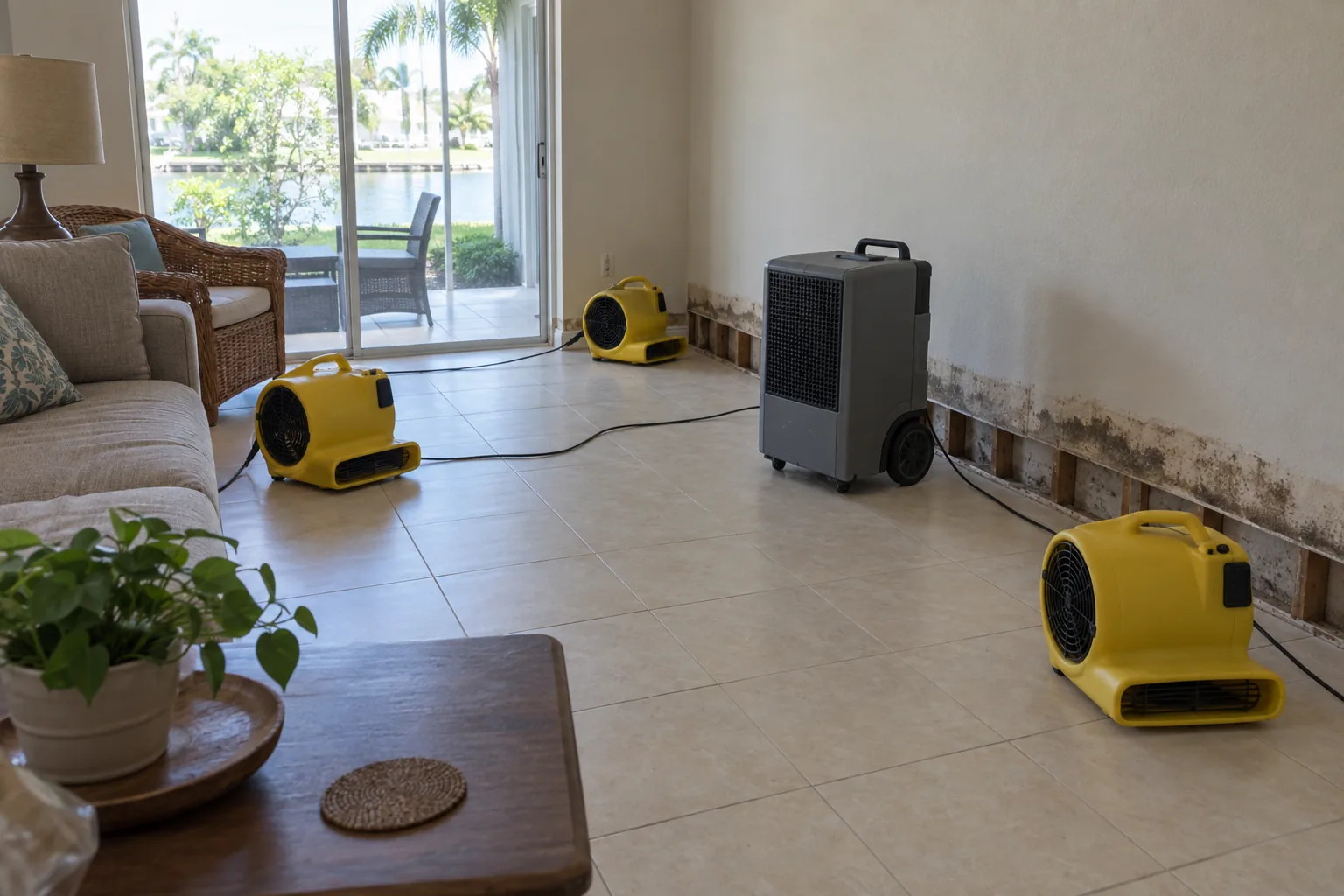
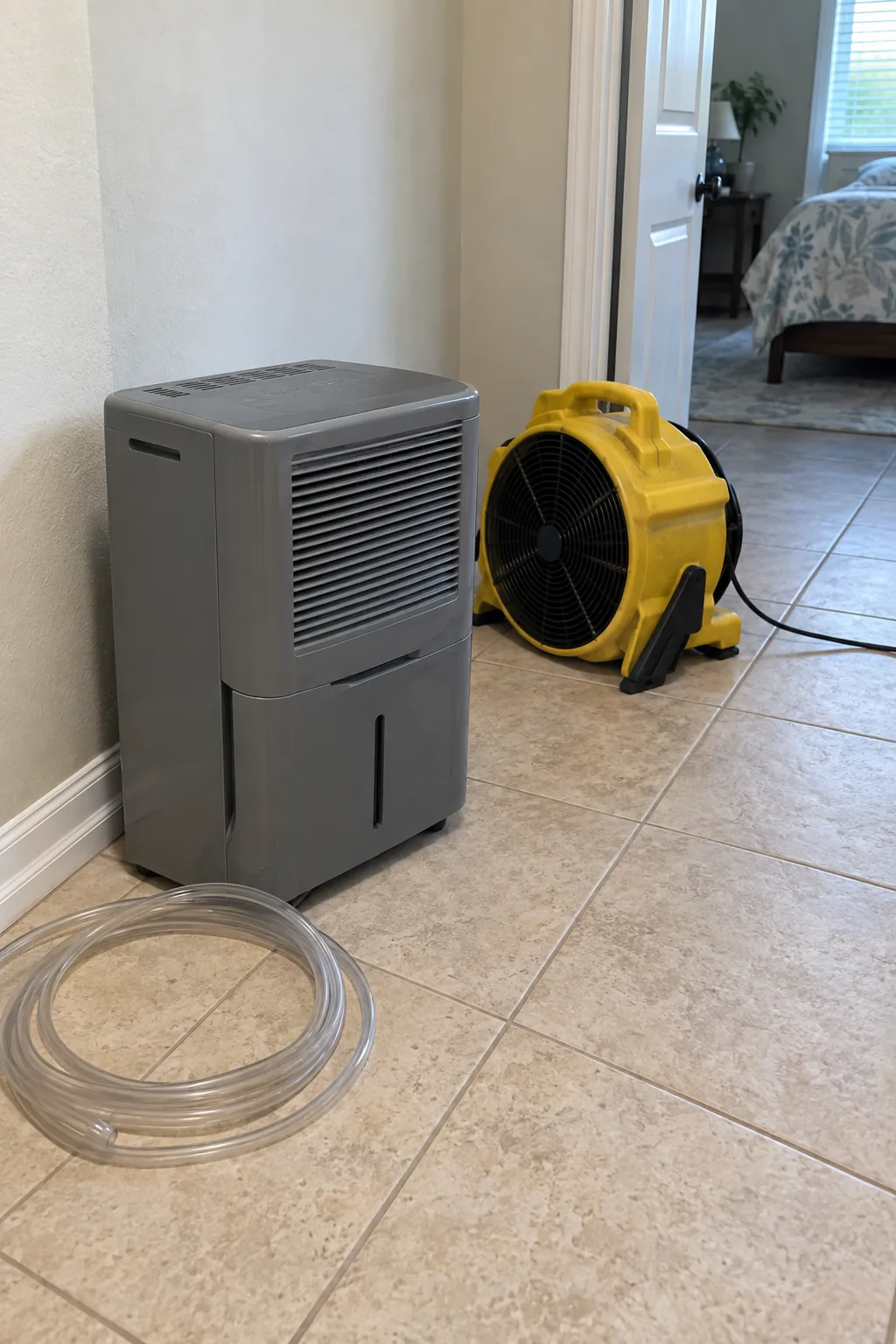
Dehumidifiers and air movers placed for the layout, with moisture mapping to verify drying progress in framing, subfloors, and wall cavities.
Dust control and containment when demolition is required, plus safe handling when there is a chance of Category 2 or 3 water contamination.
Photos, readings, and notes that explain what was wet, what was removed, what was dried, and the conditions at completion.
A practical repair plan for drywall, trim, paint, flooring, and cabinetry so the restoration does not stop at drying.
Local conditions shape the response
Central Florida conditions influence how a water loss is handled. High ambient humidity can slow evaporation, so drying often depends more on aggressive dehumidification and good containment than on simply moving air.
Construction types matter too. Many Orlando homes use slab-on-grade foundations, where water can migrate under certain floor coverings and sit in low spots. In multi-story condos and townhomes, water can travel vertically through chases and shared walls, so the inspection needs to include adjacent rooms and, when appropriate, the unit below.
Neighborhood layout also affects access and scheduling. In Baldwin Park and Lake Nona, attached garages and tighter lot lines can make equipment staging and parking more deliberate. Downtown Orlando high-rises and corridors near International Drive commonly require working within building rules for after-hours access, elevator reservations, and disposal.
Wherever the loss occurs, the goal stays the same: find the full extent of moisture, dry to verifiable targets, and leave you with a clear path to rebuild.
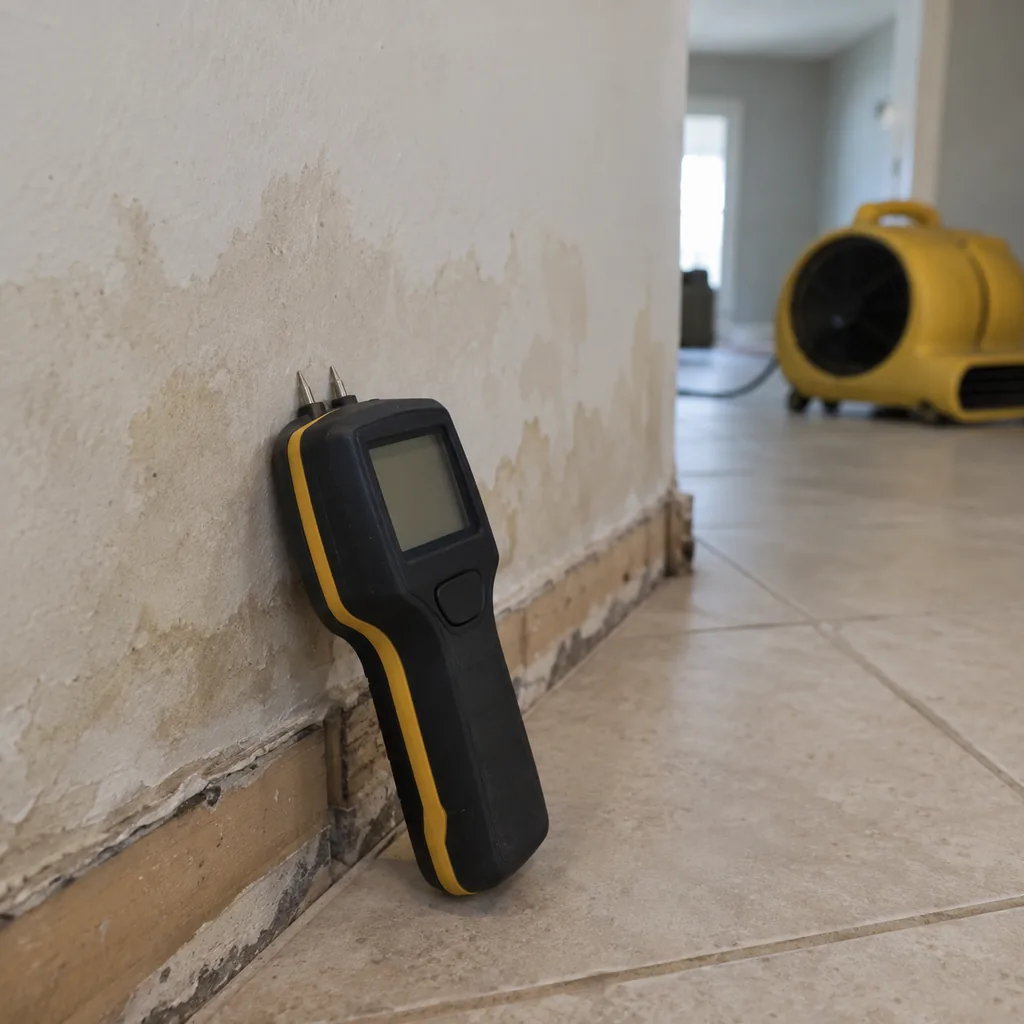
We identify the source, classify the water (clean vs. contaminated), map affected materials, and flag any electrical or slip hazards before equipment is set.
Standing water is removed, and we protect salvageable contents where practical. If carpet, pad, or drywall cannot be restored safely, we outline what needs removal and why.
Air movers and dehumidifiers are placed to match the affected footprint, with containment as needed. We monitor moisture and adjust the setup instead of guessing.
If water was not clean, we use appropriate cleaning steps for affected surfaces and materials. Deodorization is addressed after the moisture problem is actually solved.
We confirm drying with readings and walk you through what comes next, including a practical repair scope for drywall, trim, flooring, paint, and other finishes.
Understanding the restoration scope
Water restoration in Orlando typically ranges from about $1,200 to $6,500 for many residential losses, while larger or more complex projects can run higher. A small, clean-water event in one room is often on the lower end; multi-room drying with material removal and rebuild planning pushes costs up.
Final pricing depends on the affected area and materials (drywall, insulation, flooring), water category, how long it sat, access to wet cavities, equipment days, and how much demolition is required to dry correctly. The exact scope and cost are confirmed after an on-site inspection and moisture mapping.
Extraction, drying, and verification
Straight answers before work begins
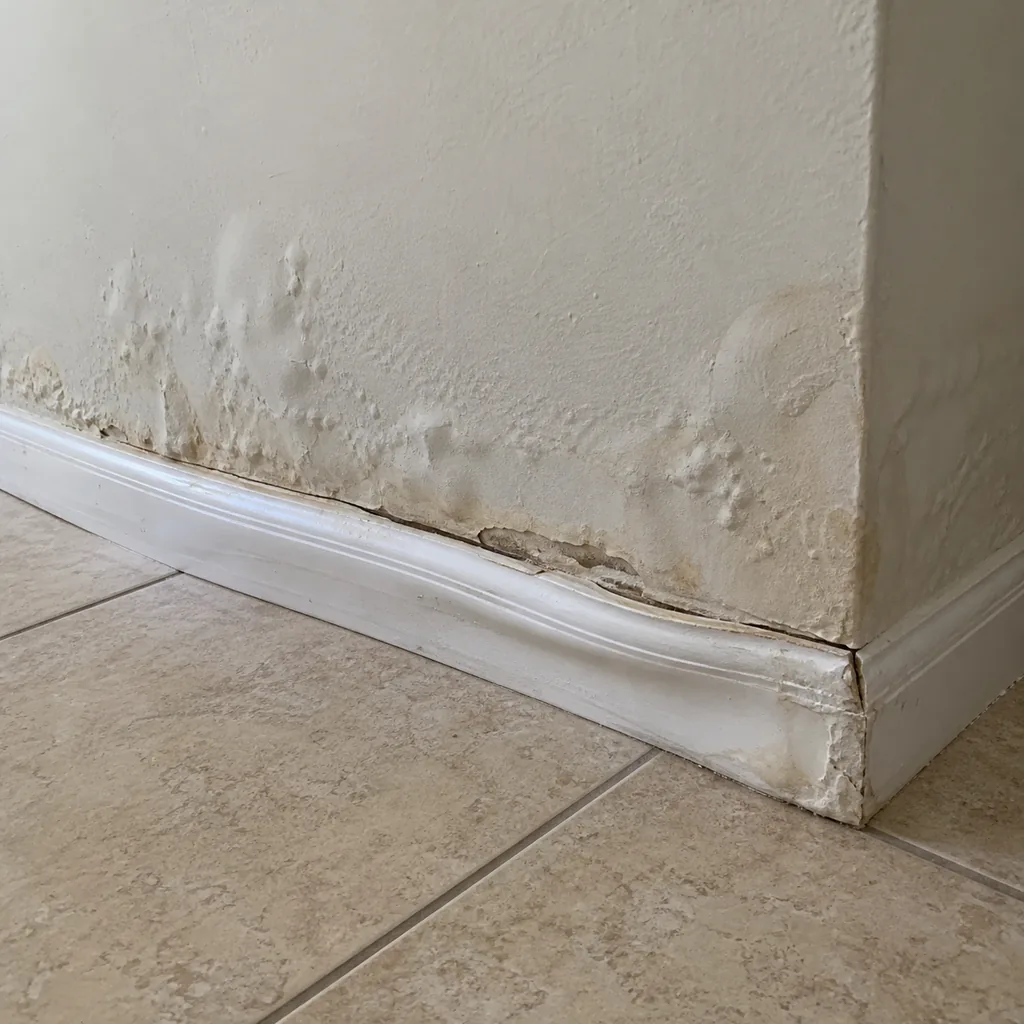
Start water restoration as soon as you can because wet building materials begin to deteriorate immediately and Florida humidity can accelerate secondary damage. Even if you stop the source quickly, moisture can remain in drywall, baseboards, and under flooring, so an inspection with moisture mapping is the safest way to know what is still wet.
Many drying jobs take about 3 to 5 days, but the timeline depends on how far water traveled, the material types, and whether wall cavities or subfloors are affected. Orlando's humid conditions often require strong dehumidification and good containment to keep drying moving at a predictable pace.
Some materials can be restored, but removal is sometimes required to dry correctly and avoid ongoing odor or microbial issues. Clean water that is addressed quickly may allow more salvage; swollen particleboard, saturated insulation, and contaminated materials are less likely to be safe to keep. The decision should be based on water category, time wet, and moisture readings, not appearance.
Clean water (Category 1) comes from a sanitary source like a supply line, while contaminated water (Categories 2 and 3) can contain bacteria or sewage and requires stricter handling and removal. Classification affects what can be saved, what must be discarded, and the cleaning steps needed for a safe restoration.
Yes, we can provide job documentation such as photos, moisture readings, and a written scope that explains the affected areas and the drying approach. Every policy is different, but clear documentation helps support why certain materials were removed or why drying ran for a specific number of days.
Stop the water source if it is safe, shut off power to affected areas if there is any risk of electrical contact, and avoid walking through wet spaces where contamination may be present. Move small valuables out of the wet area if you can do it safely, and avoid running the HVAC if it could spread moisture or odor until the situation is assessed.
Act before hidden moisture spreads
Tell us what happened and what areas are affected. We will guide you through next steps, inspect for hidden moisture, and outline a practical scope for drying and restoration work at your Orlando property.