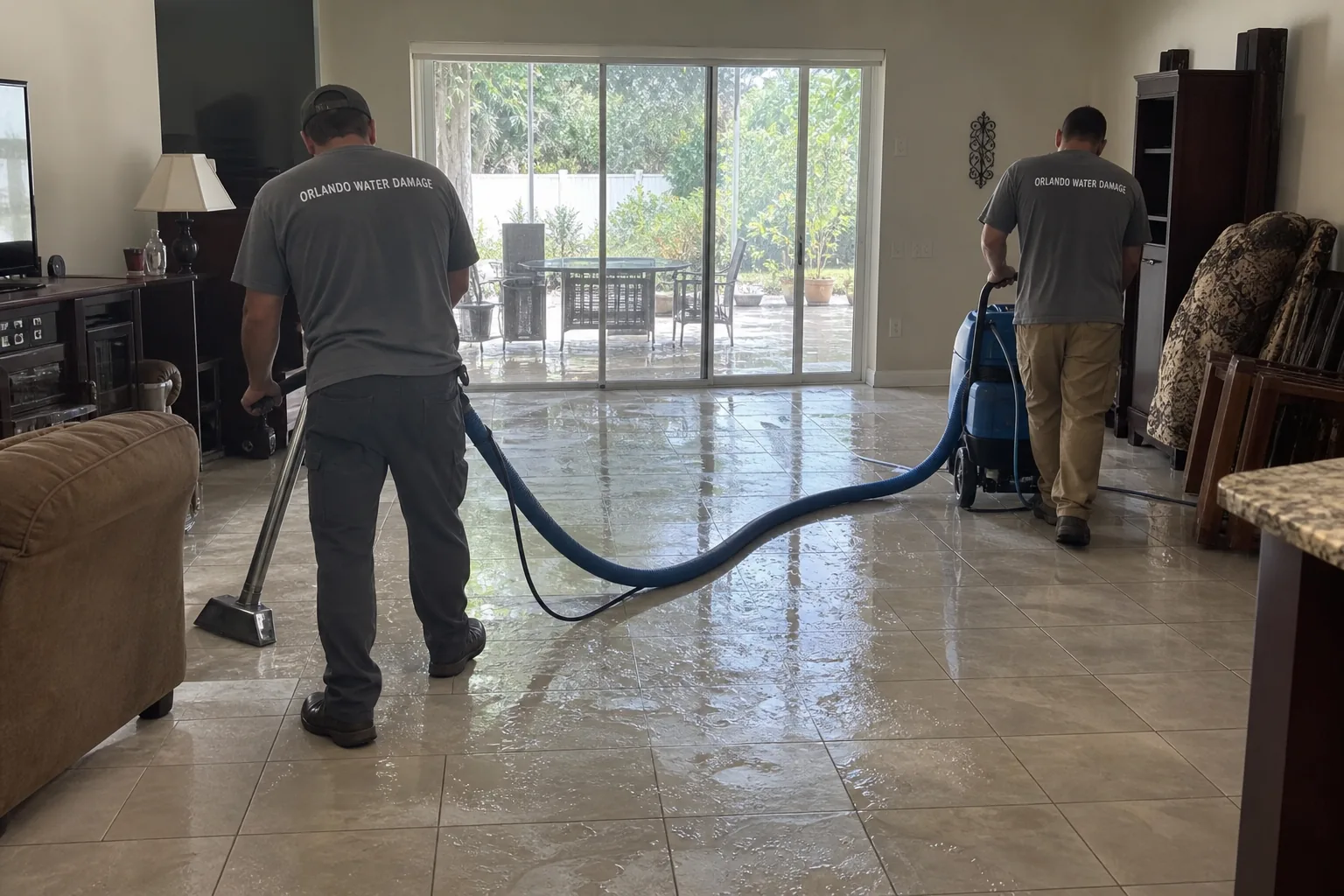
Water extraction and pump-out
Removal of standing water using commercial extractors or pumps, followed by detailed extraction from carpet and pad when salvageable.
Serving Orlando, Florida & surrounding areas
Water Damage Cleanup Service in Orlando
Fast water extraction, structural drying, and clear next steps after leaks, burst pipes, or flooding so you can stop the damage from spreading.
If you are searching for water damage cleanup Orlando homeowners can rely on, the priority is always the same: remove water fast, dry the structure completely, and document what happened so repairs and insurance decisions are straightforward.
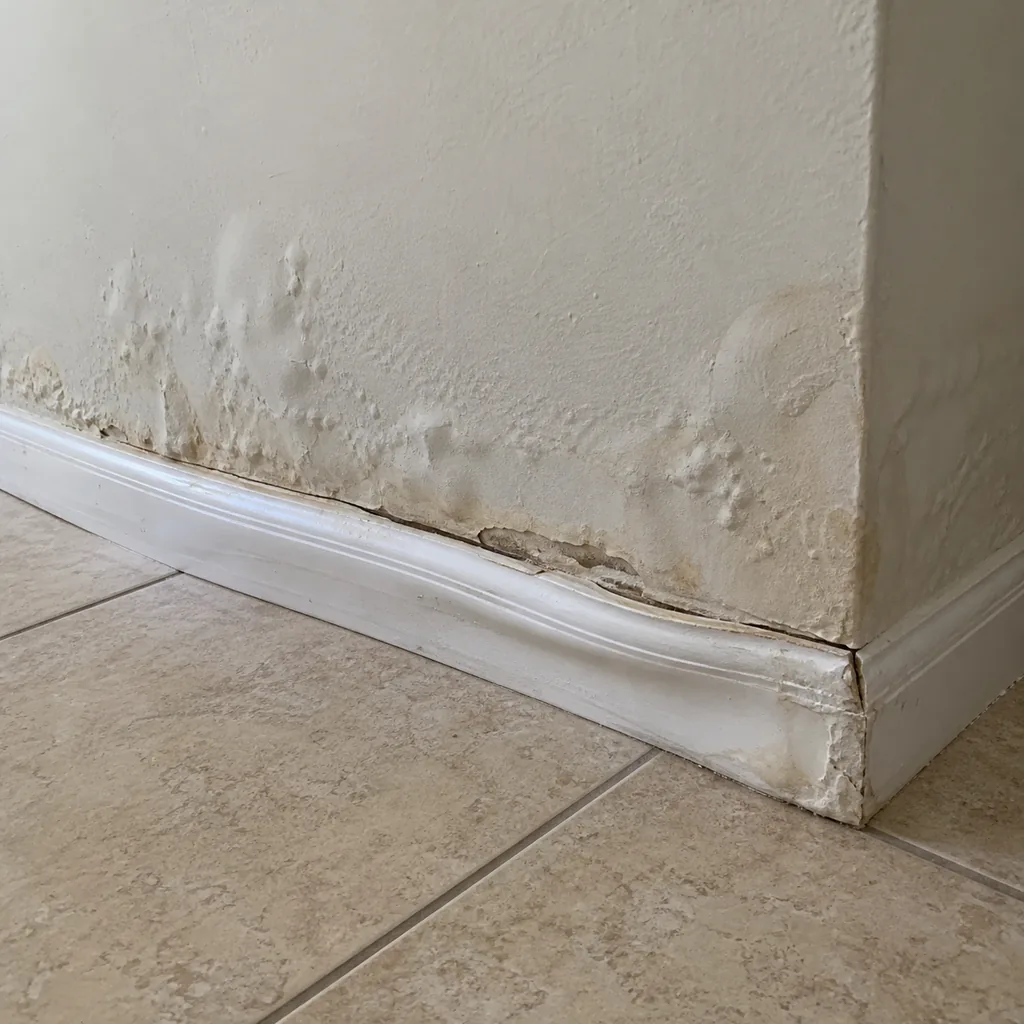
Water damage does not wait. Moisture moves into baseboards, drywall, and flooring, then into framing and insulation. In Central Florida humidity, that trapped moisture can create odors and microbial growth quickly. The right response is a measured one: stop the source when possible, extract standing water, set drying equipment based on readings—not guesswork—and keep checking until the materials are back to safe moisture levels.
Orlando Water Damage handles cleanup for common local scenarios including:
A complete water damage restoration plan connects cleanup, drying documentation, and rebuild planning so every next step is clear.
Extraction through documentation
Removal of standing water using commercial extractors or pumps, followed by detailed extraction from carpet and pad when salvageable.
Targeted readings with moisture meters and thermal imaging where appropriate, then repeat checks to confirm drying progress.
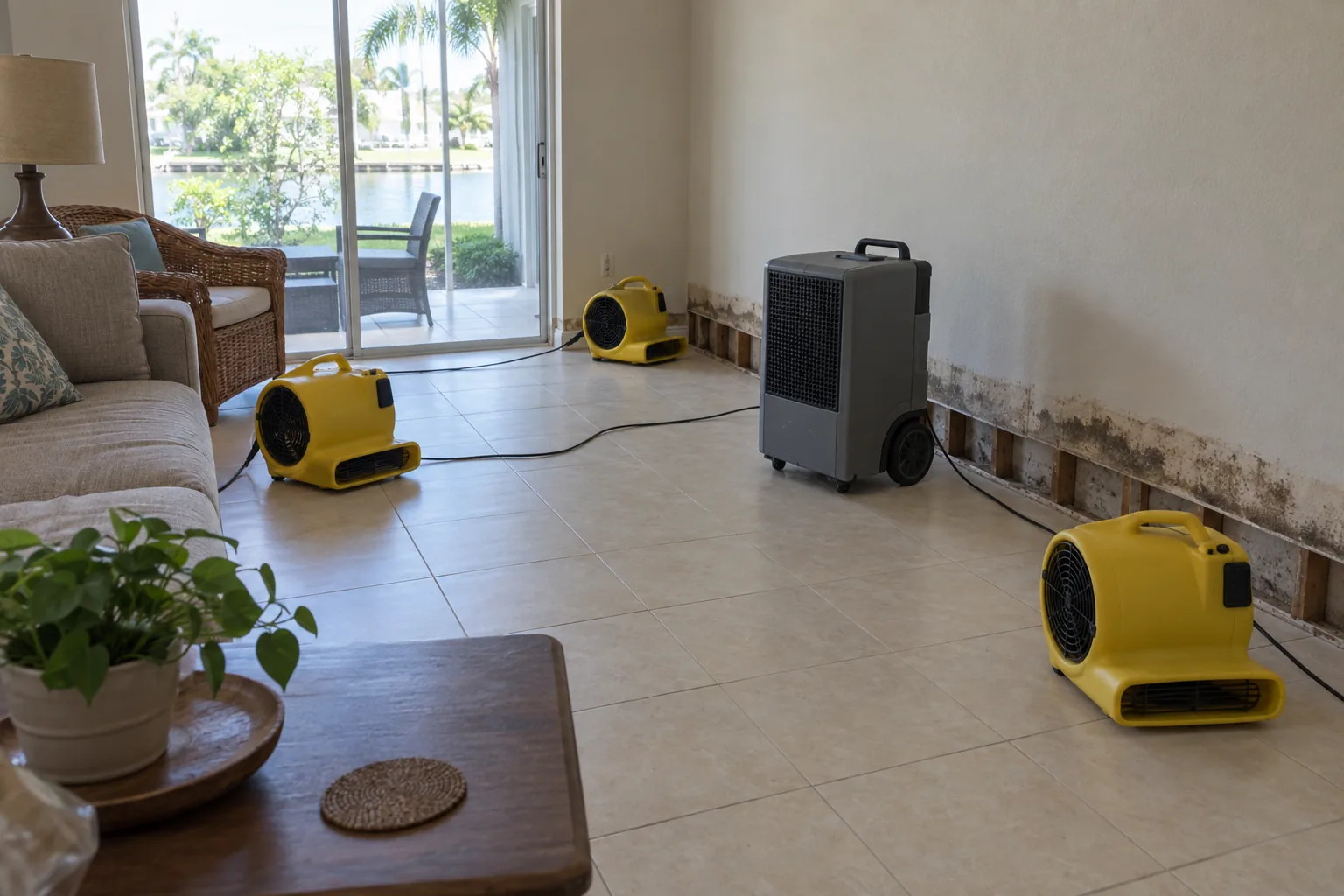
Air movers and dehumidifiers placed based on affected materials, room layout, and airflow paths—not just square footage.
Selective removal of wet drywall, baseboards, insulation, or built-ins that cannot dry in place without trapping moisture.
Cleaning of affected surfaces and contents where appropriate, with deodorization steps matched to the water source and materials involved.
Job notes and drying documentation support a cleaner conversation with adjusters and help avoid disputes about what was wet and what was done.
Central Florida drying conditions
Orlando's heat and humidity matter because they slow evaporation if the drying environment is not controlled. Proper dehumidification, containment when needed, and regular moisture checks are part of professional water damage cleanup—not add-ons.
Building layouts also vary. Downtown Orlando and some older neighborhoods may have plaster, dense masonry, or layered flooring that holds moisture differently than newer drywall-and-slab construction. In newer communities, water can travel farther under floating floors or continuous baseboards before it becomes obvious.
When you reach out, we will ask what happened, which rooms are affected, and whether power or water is currently off, then guide you through immediate steps until the crew arrives.
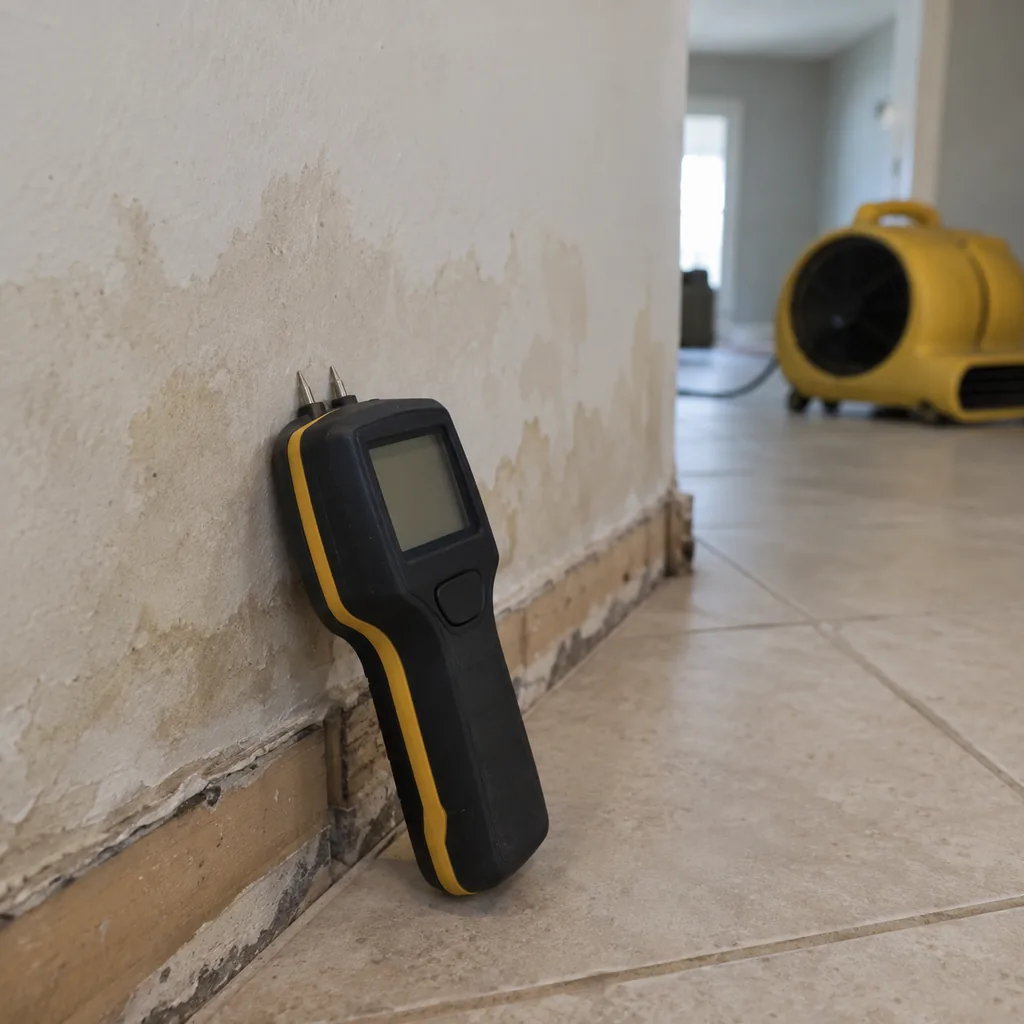
We check for electrical hazards, slippery surfaces, and ceiling sag, then confirm that the leak or water supply is stopped before deploying equipment.
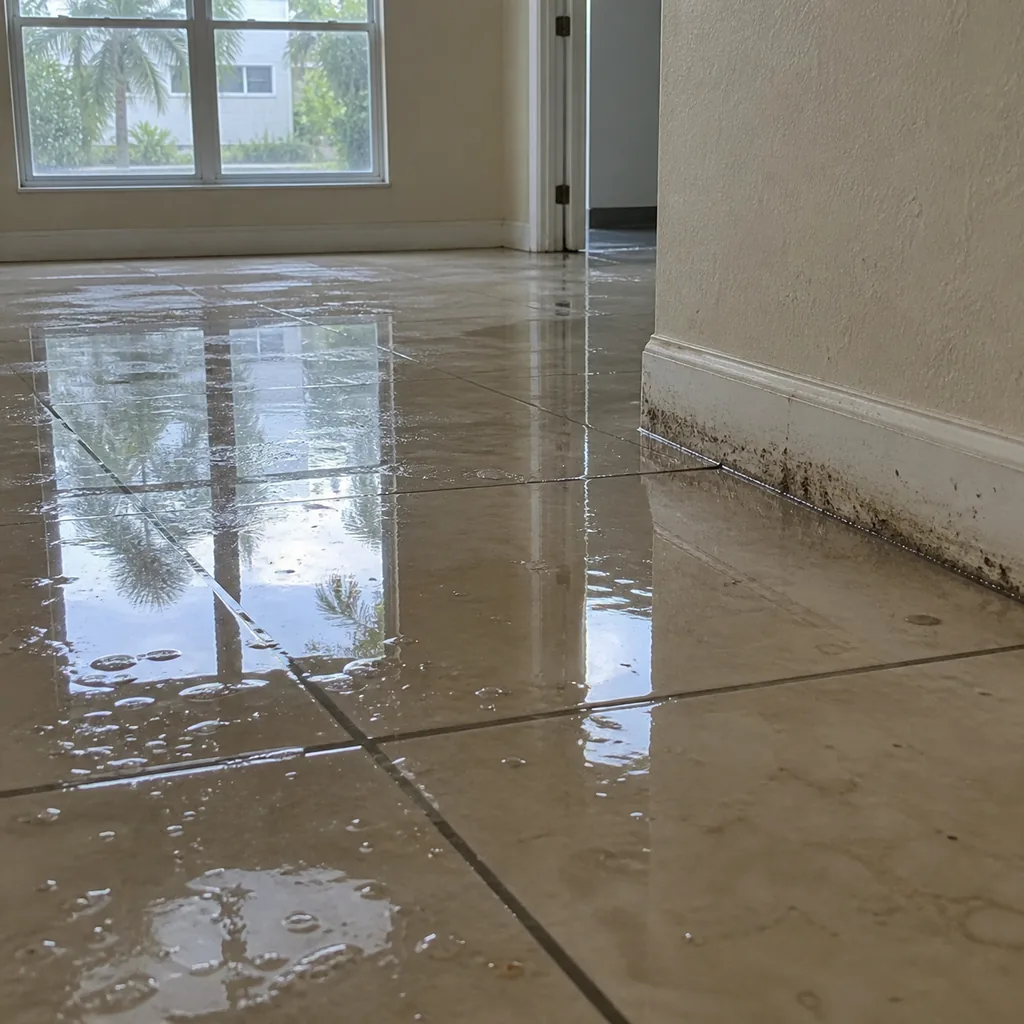
We identify what is wet, how far water traveled—including beneath flooring—and what can dry in place versus what requires removal.
Standing water is removed first, followed by residual extraction and removal of materials that would trap moisture or fail later.
We position air movers and dehumidifiers to establish a controlled drying environment, then adjust placement as readings change.
We record moisture levels, confirm drying goals are being met, and maintain clear records for repair decisions and insurance communication.
Once materials are dry, we outline needed drywall, flooring, trim, or paint work and clarify what should be replaced versus restored.
Planning the cleanup scope
Water damage cleanup in Orlando typically ranges from about $900 to $4,500 for a small to mid-size affected area that needs extraction and drying, while larger multi-room losses or jobs requiring demolition and specialty drying can run $6,000 to $15,000+.
Final cost depends on how long the water sat, how many rooms and materials are affected, the number of equipment days, access to wet areas, and whether the water is clean or contaminated. Exact scope and pricing are confirmed after an on-site inspection and moisture mapping.
Extraction, airflow, and verification
Straight answers before cleanup
Start immediately because water can wick into drywall, baseboards, and flooring quickly, and Orlando humidity can make drying harder if moisture is left trapped. If you can do so safely, stop the water source, avoid using outlets in wet areas, and move small valuables out of the affected rooms while you arrange professional extraction and drying.
We dry materials in place when readings and material type show they can dry thoroughly without trapping moisture, but remove drywall, insulation, or flooring when drying would be unreliable. A moisture map and the water category usually determine whether selective demolition is safer.
Most drying setups run about 3 to 5 days, but timelines vary based on the materials, how long water sat, and how well the environment can be controlled. We verify progress with moisture readings rather than ending on a fixed day.
Sometimes, especially with swollen laminate, delaminated engineered wood, or carpet pad that cannot be cleaned and dried properly. Tile and concrete can often be saved, but moisture below the surface still needs to be checked before repair or replacement is recommended.
Yes. We provide work notes and drying documentation that typically support a claim, including affected areas, equipment used, and moisture readings over time. The adjuster ultimately determines coverage, but clear records reduce confusion about the necessary work.
If it is safe, shut off the water source, turn off power to wet areas if outlets or appliances are involved, and avoid running HVAC equipment that may pull humid air into the damaged space. Move small items and protect furniture legs, but avoid cutting drywall or pulling flooring until the wet area is confirmed.
Fast action, measured drying
Tell us what happened and what rooms are affected, and we will guide the next steps, inspect the damage, and build a written scope for extraction, drying, and the repairs that follow.