Moisture investigation
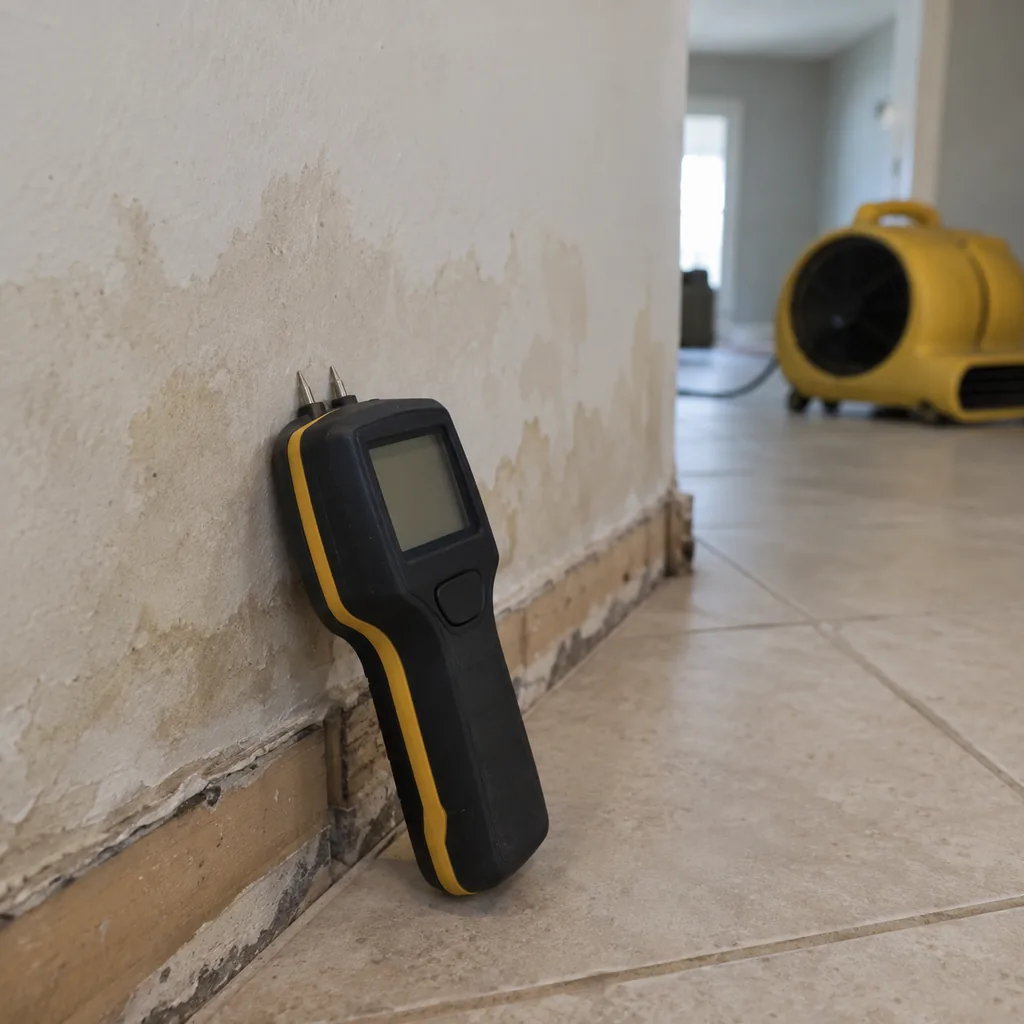
We track down why the area stayed wet: plumbing leaks, roof intrusions, HVAC condensation, window leaks, or poor ventilation. Without this step, mold commonly returns.
Serving Orlando, Florida & surrounding areas
Mold Removal Service in Orlando
Certified remediation that finds the source, contains the spread, and returns your space to clean, dry, and safe conditions with a written scope before work begins.
Controlled cleanup from the start
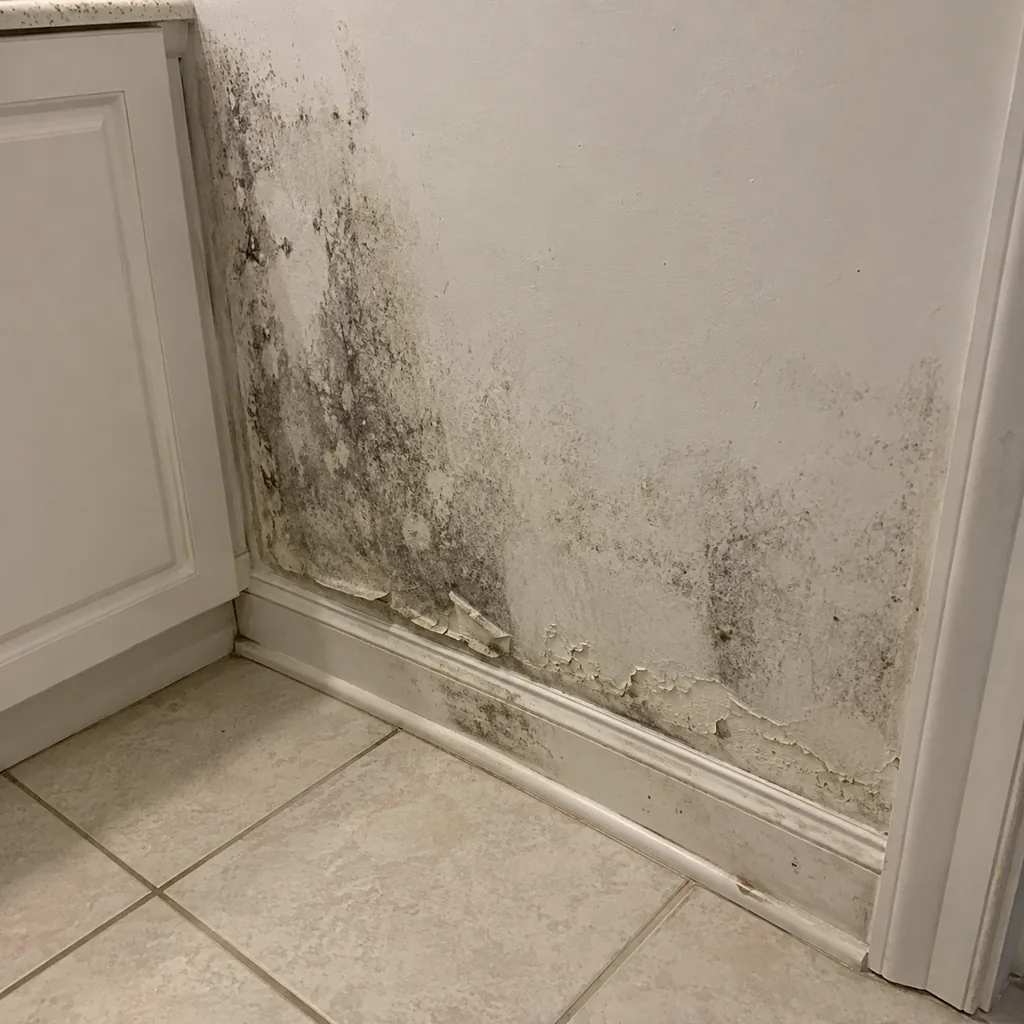
If you are searching for mold removal in Orlando, you are usually dealing with one of three situations: a musty odor that will not go away, visible growth on drywall or around vents, or a recent water event that never fully dried out. In Central Florida's humidity, mold can spread quickly once materials stay damp.
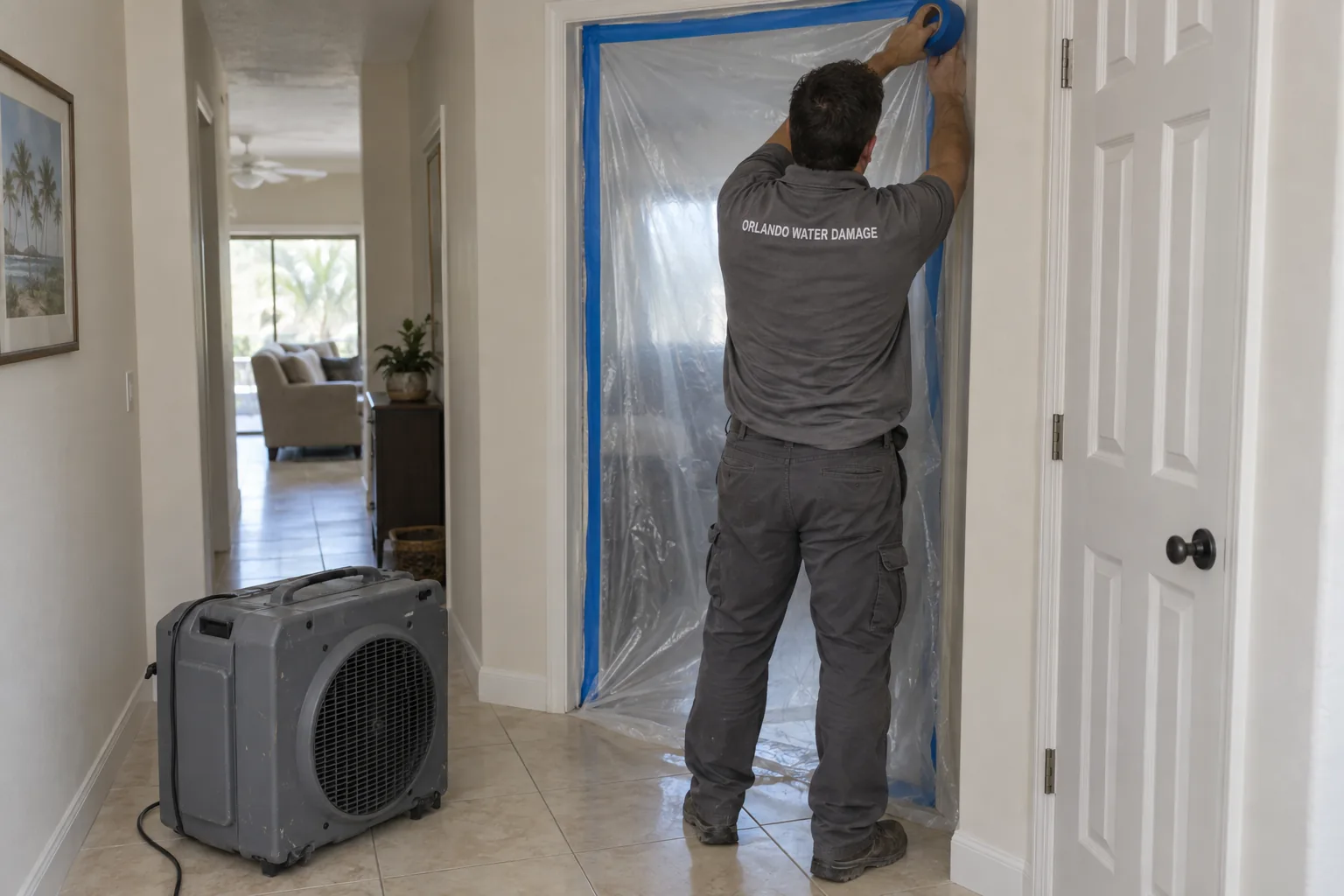
Our job is to remove mold safely and stop it from coming back by identifying the moisture source. Orlando Water Damage starts with an on-site inspection, then provides a written scope that covers containment, HEPA air filtration, removal and cleaning steps, and what materials may need to be removed and replaced. We focus on controlled work practices so spores stay inside the work area, not in the rest of your home or business.
If you are also dealing with wet building materials after a leak or storm, mold remediation is often one part of the bigger recovery. Many customers start with water damage restoration to get everything dry first, then proceed to remediation where needed.
A complete, controlled scope
We track down why the area stayed wet: plumbing leaks, roof intrusions, HVAC condensation, window leaks, or poor ventilation. Without this step, mold commonly returns.
Critical for occupied properties. We isolate the work area with plastic barriers and use negative air machines with HEPA filtration to reduce cross-contamination.
HEPA vacuums capture fine particulate, followed by cleaning of affected surfaces and nearby dust reservoirs where spores settle, including baseboards, ledges, and framing edges.
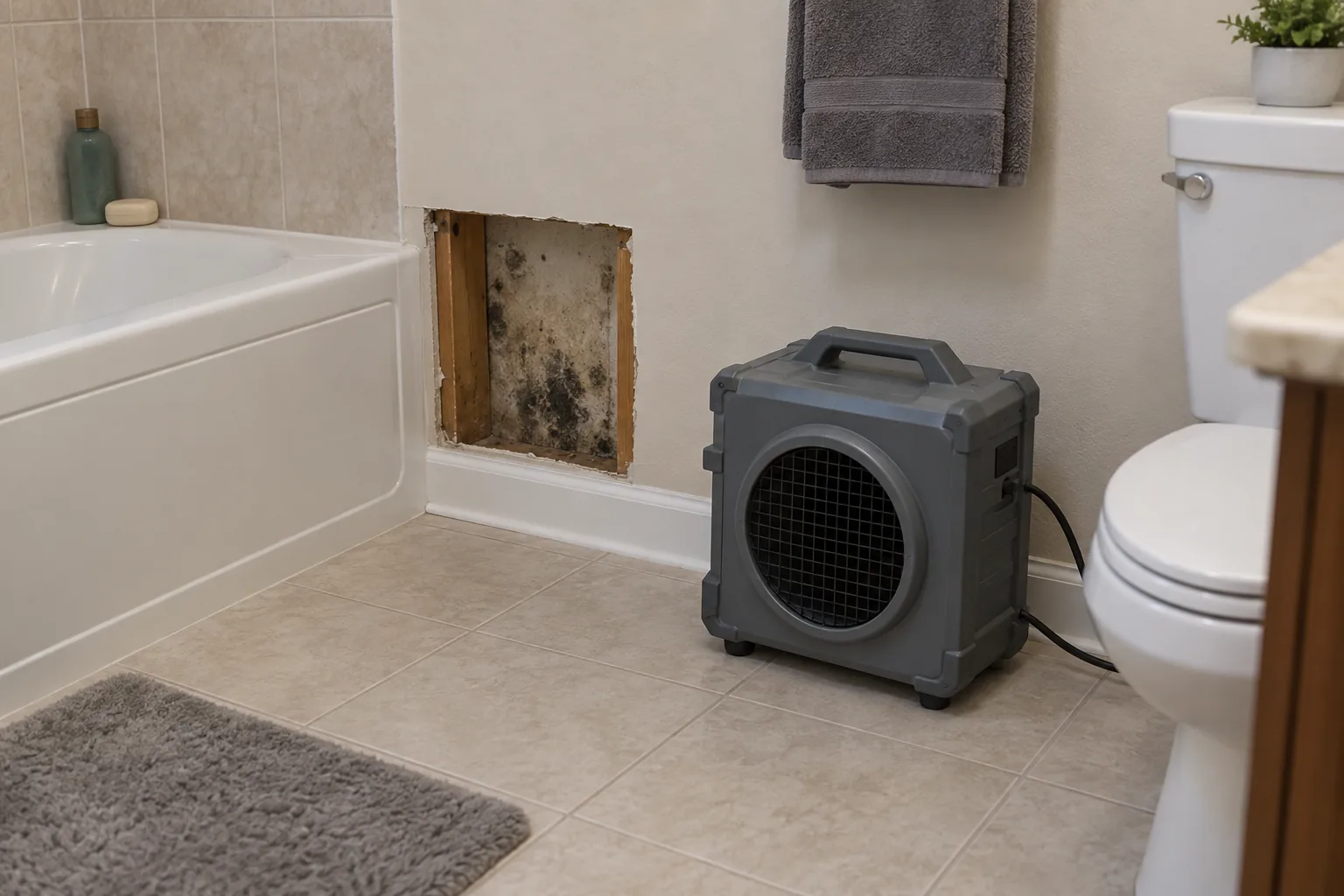
Some materials cannot be reliably cleaned once colonized, commonly drywall, insulation, and carpet pad. Removal is done under containment with proper bagging and disposal.
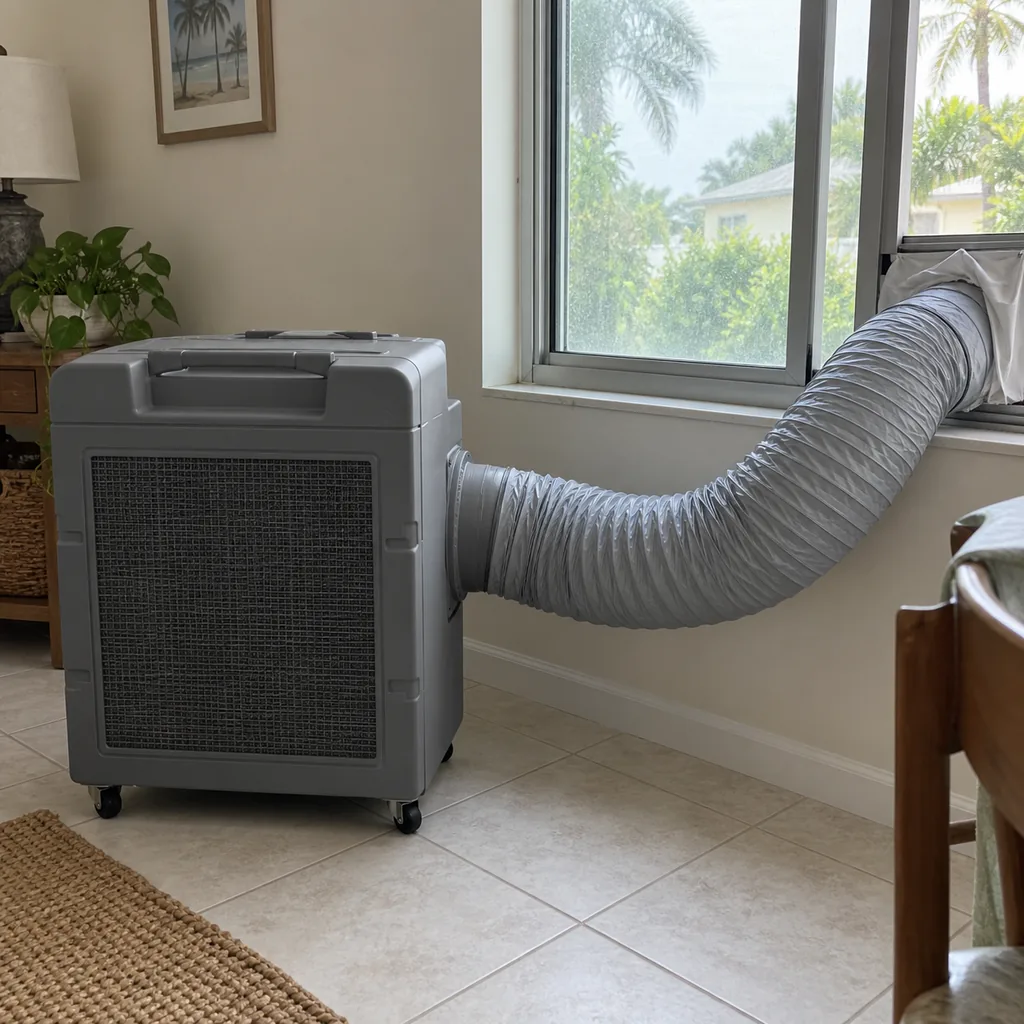
Dehumidification and airflow are matched to the space so wood, drywall cavities, and contents can reach dry conditions before rebuild or re-occupancy.
Before-and-after photos, moisture notes, and a clear scope help property managers, homeowners, and insurers understand what was done and why.
Central Florida moisture conditions
Orlando's climate puts steady pressure on indoor humidity. When air conditioning runs, cold surfaces can create condensation at vents, on supply boots, and inside closets with weak airflow. Add a small plumbing leak under a sink or behind a wall, and you have the conditions mold needs: moisture, limited drying, and organic building materials.
Certain building layouts make this more likely. Older block homes can hide moisture intrusion around windows and wall penetrations, while newer homes with tighter envelopes can trap humidity if ventilation is not balanced. We see frequent issues in high-traffic areas like kitchens, bathrooms, laundry rooms, and around HVAC returns.
Local examples we regularly work around:
A proper plan addresses both the visible growth and the hidden moisture conditions that allowed it.
Inspection through verification
Each phase protects the rest of the property while moving the affected area toward clean, dry, and stable conditions.
Call Now +1 689 220 2333We look for visible growth, musty odor patterns, water staining, and elevated moisture in walls, ceilings, and flooring. If conditions suggest a larger hidden issue, we explain the investigative options before any demolition.
You get a clear scope describing what areas are affected, what will be cleaned versus removed, and how we will protect the rest of the property. This is also when we coordinate access for tenants, pets, and business hours.
We isolate the work area, set HEPA air scrubbers, and correct obvious moisture contributors where possible, such as stopping an active leak or addressing condensation conditions.
We remove unsalvageable porous materials under containment and clean remaining surfaces using HEPA vacuuming, damp wiping, and targeted cleaning of framing, sheathing, and surrounding surfaces.
We dry the area to stable conditions and review what should happen next, which may include repairs by a builder or, when appropriate, third-party clearance testing arranged by the property owner.
Planning the remediation scope
Mold removal in Orlando typically ranges from about $750 to $6,000+, depending on the size of the affected area and how much material must be removed. A small, isolated spot with straightforward access may land near the low end, while multi-room contamination, HVAC-related spread, or heavy demolition pushes costs higher.
Final pricing changes with square footage, containment complexity, whether drywall, insulation, or cabinetry must come out, access to attics or tight crawl areas, and how much drying and dehumidification is needed. The exact cost is confirmed after the on-site inspection and a written scope.
Containment, removal, and detailed cleaning
Straight answers before remediation
Start time depends on the size and risk level of the job, but urgent situations are typically prioritized because active moisture and high indoor humidity can expand the affected area. After an inspection, we schedule containment and remediation based on access, occupancy, and whether drying equipment needs to run first.
Many projects can be completed while you remain in the home, as long as the work area can be fully contained and you can avoid that room or corridor. For larger multi-room remediation, sensitive occupants, or work that impacts shared HVAC airflow, we may recommend temporary relocation for comfort and safety.
Sometimes, yes, if the mold is limited to a non-porous or semi-porous surface and the underlying material is dry and sound. If drywall or insulation is colonized, removal is usually the correct approach because those porous materials cannot be reliably cleaned to the same standard as solid framing.
Mold near vents commonly ties to condensation and elevated indoor humidity, especially where cold supply air meets warm, moist air. Contributing factors can include duct sweating, poor insulation at boots, oversized systems that short-cycle, restricted airflow, or bathrooms and kitchens exhausting moisture into the home instead of outdoors.
Testing is not always required to perform remediation, but some owners, buyers, or property managers want documentation through third-party sampling. If you want clearance testing after remediation, it is typically arranged through an independent indoor environmental professional so results stay impartial.
Coverage depends on the policy and the cause of loss. Some policies cover mold when it results from a covered, sudden water event and the response was prompt, while long-term leaks or maintenance issues are often excluded. Documentation from the inspection and the written scope helps support whatever claim process applies.
Clear answers before work begins
Describe what you are seeing and where it is happening, and we will schedule an on-site inspection in Orlando. You will get a written scope, a straightforward explanation of what needs to be removed versus cleaned, and a plan to control the moisture that caused the problem.