Documentation you can use
You receive a written scope of observations and lab-backed results tied to specific rooms and surfaces, so you can plan repairs or remediation based on evidence.
Serving Orlando, Florida & surrounding areas
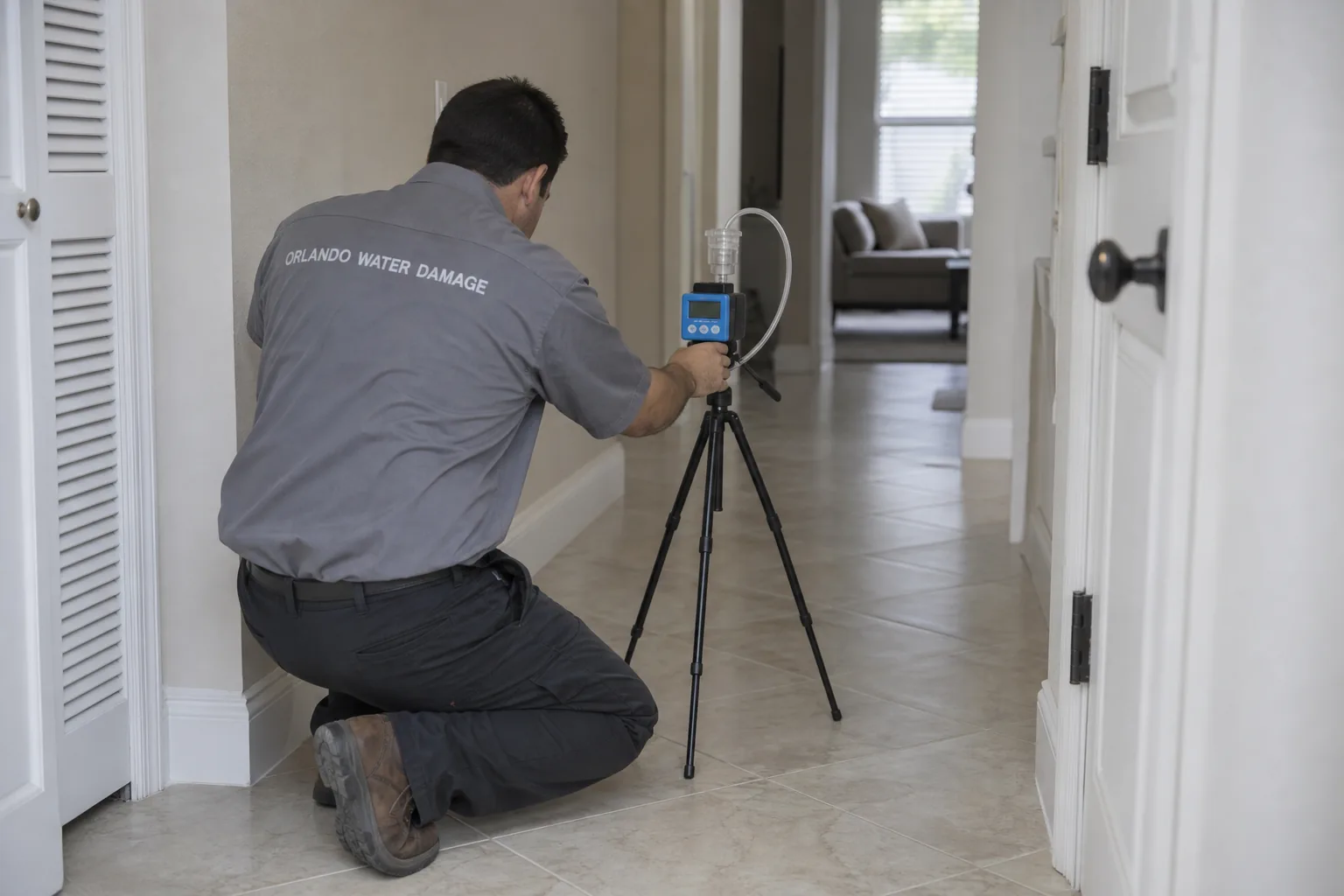
Mold Testing Service in Orlando
Get clear, documented results when you suspect mold. Our certified inspection team pinpoints where moisture is feeding growth and provides lab-backed findings you can use to plan next steps with confidence.
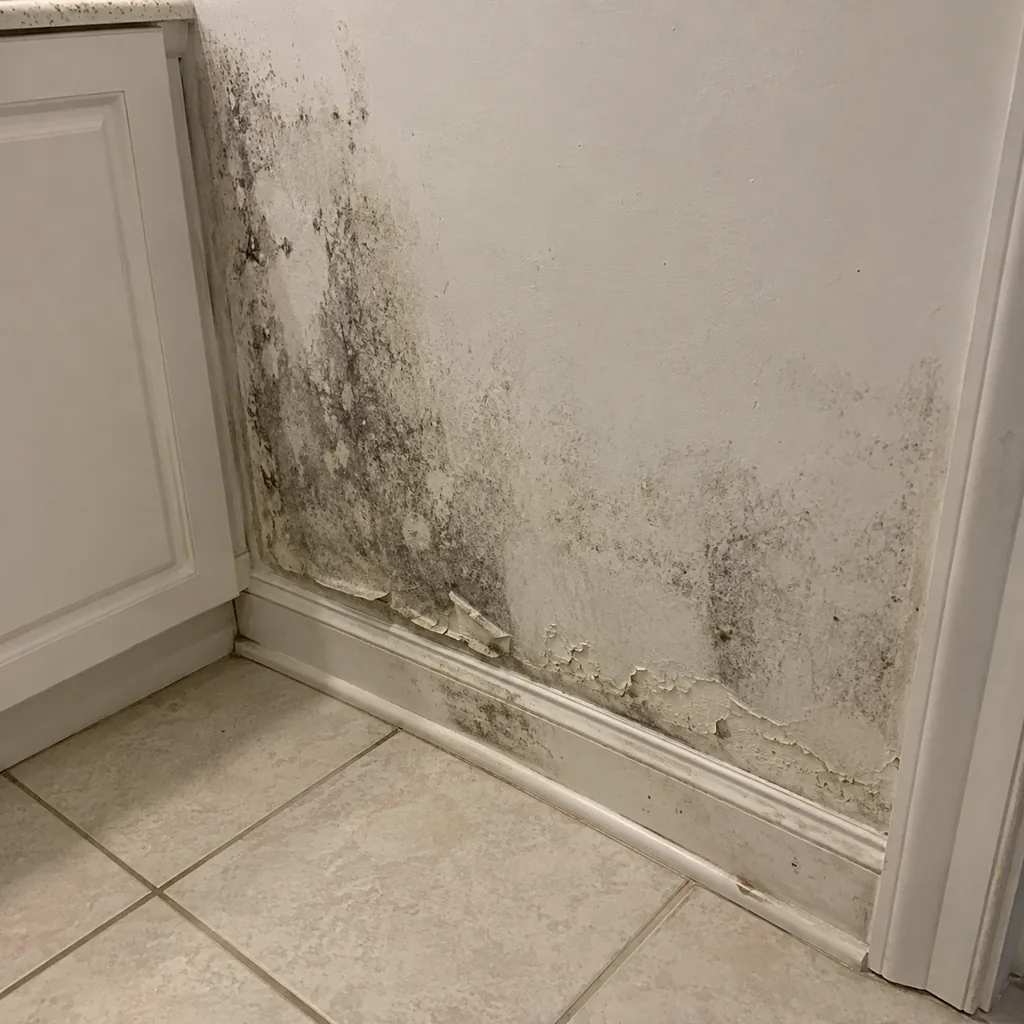
If you are searching for mold testing Orlando, it usually means you have a specific concern: a musty odor that will not go away, recent water intrusion, visible spotting on drywall, or allergy-like symptoms that seem worse indoors. Testing helps separate suspicion from evidence. It also helps you avoid treating the wrong area or missing the moisture source that keeps the problem coming back.
In Orlando and the surrounding area, heat and humidity can keep indoor materials damp longer after small leaks or HVAC condensate issues. Bathrooms, laundry rooms, closets on exterior walls, and rooms that have been closed up after a trip are common places where odors build first. After a heavy rain event, it is also smart to test if you noticed water reaching baseboards, a garage wall, or the edge of a sliding door track.
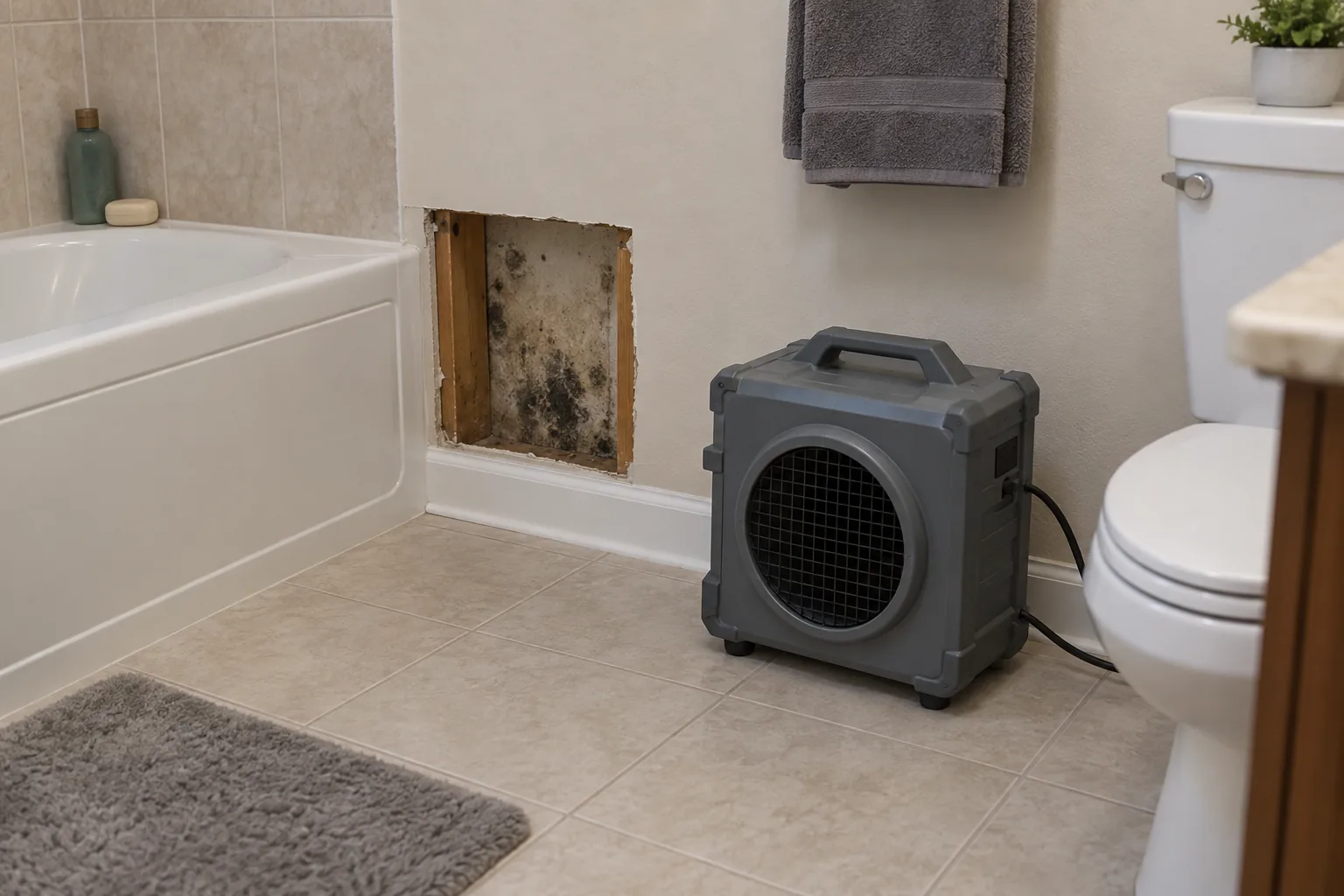
Mold testing is not the same thing as remediation. The point of testing is to document conditions, locate likely reservoirs, and identify what should be addressed so any cleanup plan is based on measured findings, not guesswork.
Evidence before action
A proper mold inspection is part building-science, part documentation. We start by listening to what you have noticed and where. Then we look for the moisture patterns that drive mold growth: past leaks, condensation, poor airflow, and materials that stay cool and damp.
Typical mold testing in Orlando includes:
We focus on producing results you can act on, whether that means fixing a leak, adjusting HVAC dehumidification, removing affected porous materials, or confirming that a space is clear after work is complete.
Clear findings, practical guidance
You receive a written scope of observations and lab-backed results tied to specific rooms and surfaces, so you can plan repairs or remediation based on evidence.
Mold follows moisture. We prioritize identifying damp materials, condensation zones, and likely sources so the underlying cause gets addressed.
We sample to answer a question: confirm a suspected area, compare floors, or document conditions after a water event. If sampling will not add value, we tell you.
We explain what the results mean in plain language and what typically comes next, whether that is repairs, containment, or post-remediation verification.
In Central Florida homes, HVAC performance and indoor humidity matter. We call out conditions that commonly keep materials damp in Orlando's climate.
Inspection through written findings
We confirm what prompted the concern—odor, visible spotting, a prior leak, or failed cleanup—and what you need from testing: confirmation, location, severity clues, or documentation after work.
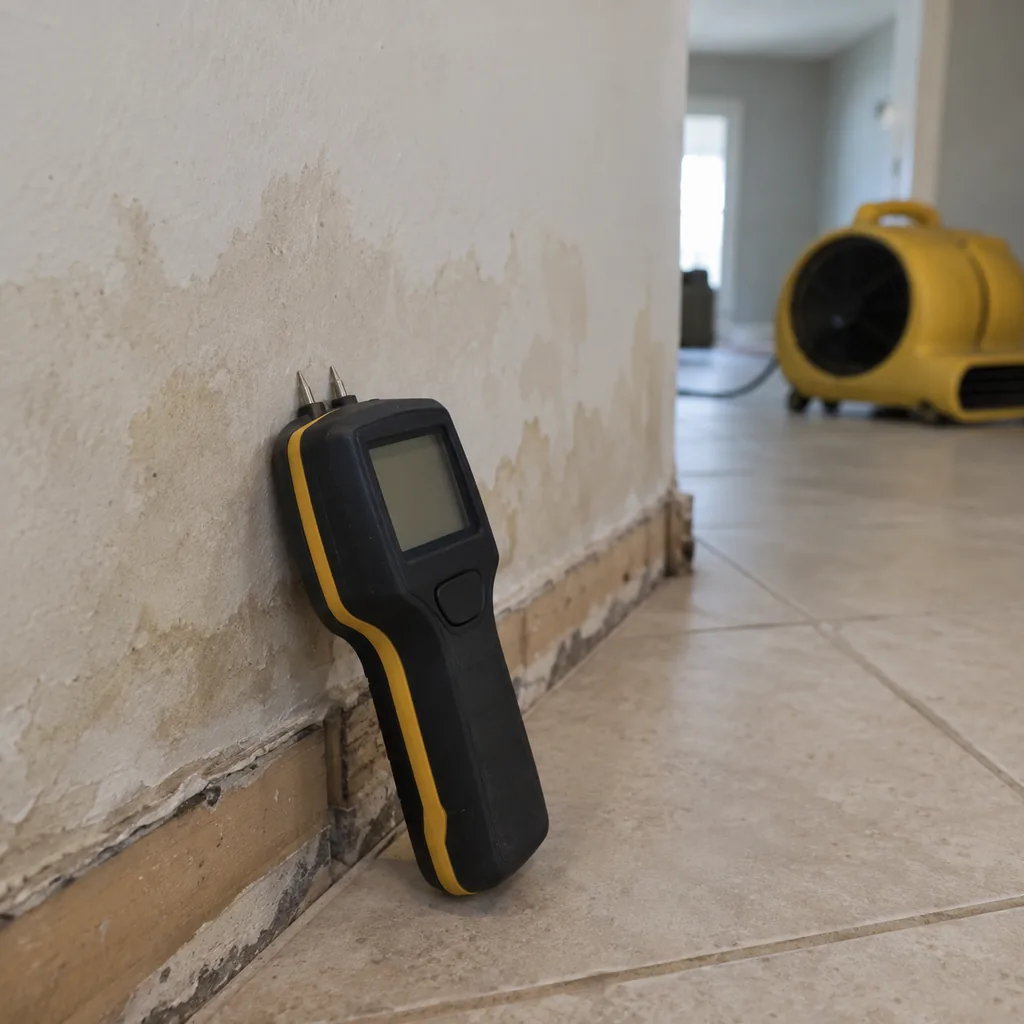
We inspect affected rooms and adjacent areas, then measure moisture in drywall, trim, ceilings, and other materials. If HVAC condensation is suspected, we check around supply and return areas and nearby cavities.
When appropriate, we collect an outdoor control air sample and indoor samples for comparison. We add surface samples where visible growth or staining needs identification. Each sample is labeled and tracked for the lab.
Samples go to an accredited lab for analysis. Your report includes the lab findings, sample locations, moisture observations, and notes on conditions that can drive growth.
We walk you through what the data indicates and what to do next. If the root issue is water intrusion, it often makes sense to start with a moisture plan similar to what is used for water damage restoration.
Planning the inspection
Mold testing in Orlando typically ranges from about $250 to $750+, depending on the size of the home and how many samples are needed. A basic inspection with limited sampling is often at the lower end, while larger homes, multiple floors, or several targeted rooms usually require additional air and surface samples.
Final pricing depends on access to attics, crawl spaces, and closets; the number of indoor air samples plus the outdoor control; whether surface samples are required; and how much moisture mapping is needed to narrow the source. The exact cost is confirmed after the on-site inspection and sampling plan are set.
Central Florida moisture patterns
Mold can grow anywhere moisture and an organic food source meet. In practice, certain building layouts and daily-use spaces in Orlando tend to create repeat problem areas.
Conway and established neighborhoods: Past renovations may leave small gaps at plumbing penetrations or around shower surrounds, allowing slow leaks into drywall or beneath tile.
Lake Nona and newer developments: Tighter construction can improve efficiency, but indoor humidity still needs control. Closets and secondary bathrooms may develop odors if the HVAC system is not dehumidifying effectively.
Winter Park: Older homes and additions can have transitions where rooflines, flashing, or window installations changed over decades. Those junctions may be vulnerable after wind-driven rain.
Downtown Orlando condos: Mold concerns often relate to HVAC condensate management, shared wall assemblies, or intermittent occupancy where indoor humidity rises while a unit remains closed.
No matter the neighborhood, the most important question is the same: what is the moisture source, and how long has material been staying wet? Testing helps answer that with documentation.
Inspection, sampling, and documentation
Straight answers before testing
It depends on the question you need answered: air sampling helps compare what is airborne in a room versus outdoors, while surface sampling identifies what is growing on a specific spot. In many Orlando homes, we use moisture readings and the visual inspection to decide whether sampling will change the plan, then choose the least amount of sampling that still produces a clear result.
On-site inspection and sampling is usually completed the same day as the appointment, and lab turnaround is commonly a few business days. Timing can vary based on the lab and the number of samples, but we set expectations at the visit so you know when to expect the written report.
Yes. Post-remediation verification testing typically includes a visual check for dust and debris, moisture readings to confirm materials are dry, and targeted air sampling in the work area with an outdoor control for comparison. This is especially useful in Orlando's humid climate, where materials can re-wet if the moisture source was not fully corrected.
Testing can strongly suggest where moisture is affecting materials, but it does not always pinpoint a single leak point by itself. We use moisture mapping and building observations to narrow likely sources, such as shower plumbing, a window corner after wind-driven rain, or HVAC condensate issues, then recommend the next diagnostic step if needed.
Most occupants can stay home during mold testing because it is non-destructive and does not involve demolition. If a space has heavy visible growth, strong odors, or you have severe sensitivities, it can be more comfortable to stay out of the immediate work area while samples are collected.
For the most useful results, avoid running air purifiers right before sampling and do not spray heavy cleaners or bleach on suspected areas the day of the visit. If you recently had the HVAC system serviced or the unit was off for travel, tell us, because those changes can affect indoor humidity and how representative an air sample is.
Document conditions before repairs
Tell us what you have noticed and where. We will schedule mold testing, document moisture conditions, and provide lab-backed results you can use to decide the next step for your Orlando home.