Plumbing leaks and supply line failures
Slow leaks under sinks, behind toilets, and in laundry areas can soak cabinets and subfloors before anyone notices. A sudden line failure can flood multiple rooms quickly.
Serving Orlando, Florida & surrounding areas
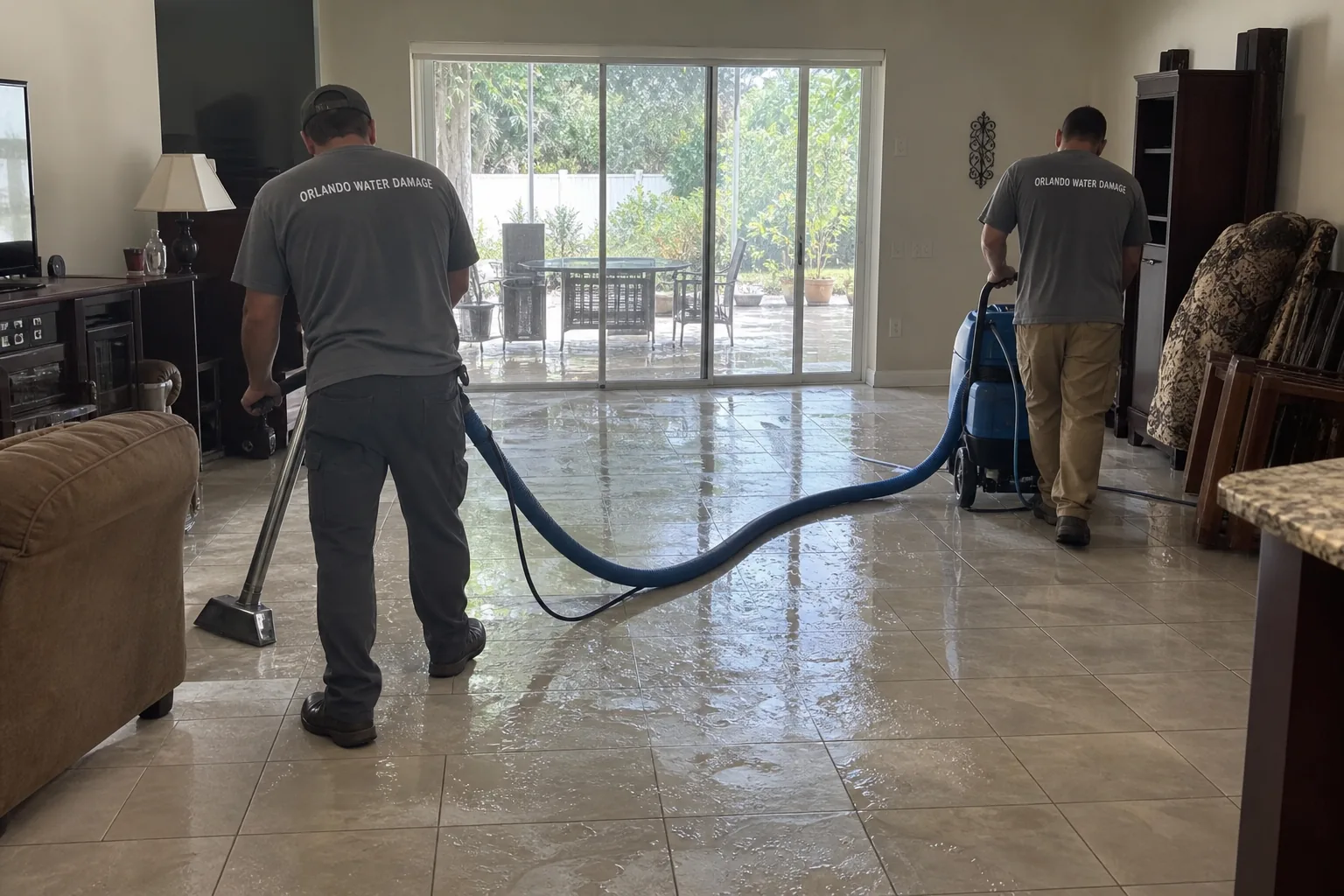
Water Damage Service in Orlando
Fast water removal and professional drying for homes and businesses in Orlando. We document what happened, stop the spread, and build a clear restoration plan before repairs begin.
About our Orlando team
Orlando Water Damage helps homeowners and property managers connect with local contractors for water damage Orlando Florida situations. The focus is straightforward communication, a prompt understanding of the problem, and a clear path from the first phone call to an on-site assessment.
When you call, be ready to describe what happened, when you first noticed it, which rooms are affected, and whether the water source has been stopped. Those details help determine urgency and what type of response may be appropriate.
For an overview of the work available, visit our water damage restoration information. Response times depend on contractor availability, travel conditions, access, and the nature of the loss, but active leaks and standing water should be addressed as soon as it is safe.
How the team works
The first conversation is used to understand the source, visible damage, safety concerns, property type, and access. For urgent orlando water damage, callers should mention standing water, an active leak, ceiling sagging, or water near electrical fixtures immediately.
Before anyone is dispatched, you should receive practical guidance about immediate safety and an explanation of what information the local contractor will need. Arrival estimates are based on current availability and location rather than a guaranteed universal time.
On site, expect the affected areas to be inspected, moisture conditions to be checked, and the proposed scope to be explained before work proceeds. Equipment, access needs, likely noise, monitoring visits, and possible material removal should be discussed plainly so you can make an informed decision.
The service area includes Orlando and surrounding Central Florida communities. Travel time, building access, weather, and the size of the incident may affect scheduling.
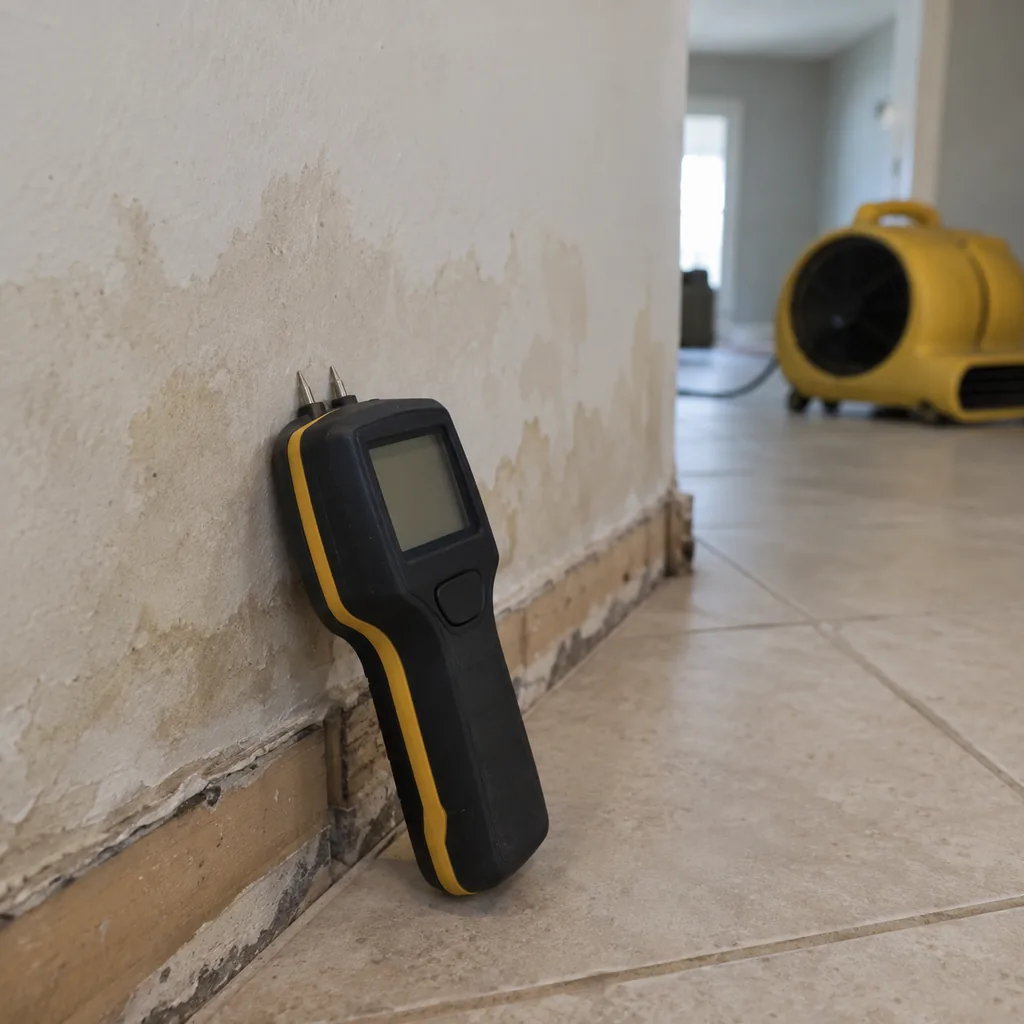
Losses we assess and dry
Slow leaks under sinks, behind toilets, and in laundry areas can soak cabinets and subfloors before anyone notices. A sudden line failure can flood multiple rooms quickly.
In Florida heat, HVAC systems run hard. Clogged condensate drains or overflow pans can lead to ceiling stains, wet drywall, and damp insulation.
Wind-driven rain can push water through roof penetrations, flashing gaps, or around doors and windows. Rapid dry-out helps limit swelling, delamination, and microbial growth.
Small appliance leaks often spread under flooring and into adjacent rooms. Early detection and targeted extraction can reduce how much has to be removed.
In offices, retail, and multi-unit properties, water can move between suites through shared walls and slab edges, so moisture checks beyond the obvious area matter.
Inspection through restoration planning
We identify the source, check for safety concerns, and measure moisture in floors, walls, and trim to define the affected area. You get a written scope so the plan is clear before work ramps up.
We extract standing water and remove materials only when they cannot be dried or safely cleaned. The goal is to keep what can be saved and remove what would hold moisture or contamination.
Air movers and dehumidifiers are set based on the materials and the amount of water. We monitor moisture readings and adjust equipment placement until drying goals are met.
When applicable, we clean affected surfaces, address odors, and document that moisture levels are back to a safe range for rebuild or finish repairs.
Once the structure is dry, we outline what comes next. If you are working through an insurance claim, documentation and photos help support what was found and what was required.
Planning the restoration scope
Most water damage restoration in Orlando typically ranges from about $1,000 to $6,000+, depending on how far the water traveled and what materials are affected. A small, clean-water issue caught early may stay near the low end, while multi-room losses, wet drywall and insulation, or contaminated water push costs higher.
Price is driven by extraction time, the number of drying days, equipment needs, testing and documentation, access to the wet areas such as tile, cabinets, and walls, and whether controlled removal is required. The exact cost is confirmed after an on-site inspection and moisture mapping.
Extraction, monitoring, and job records
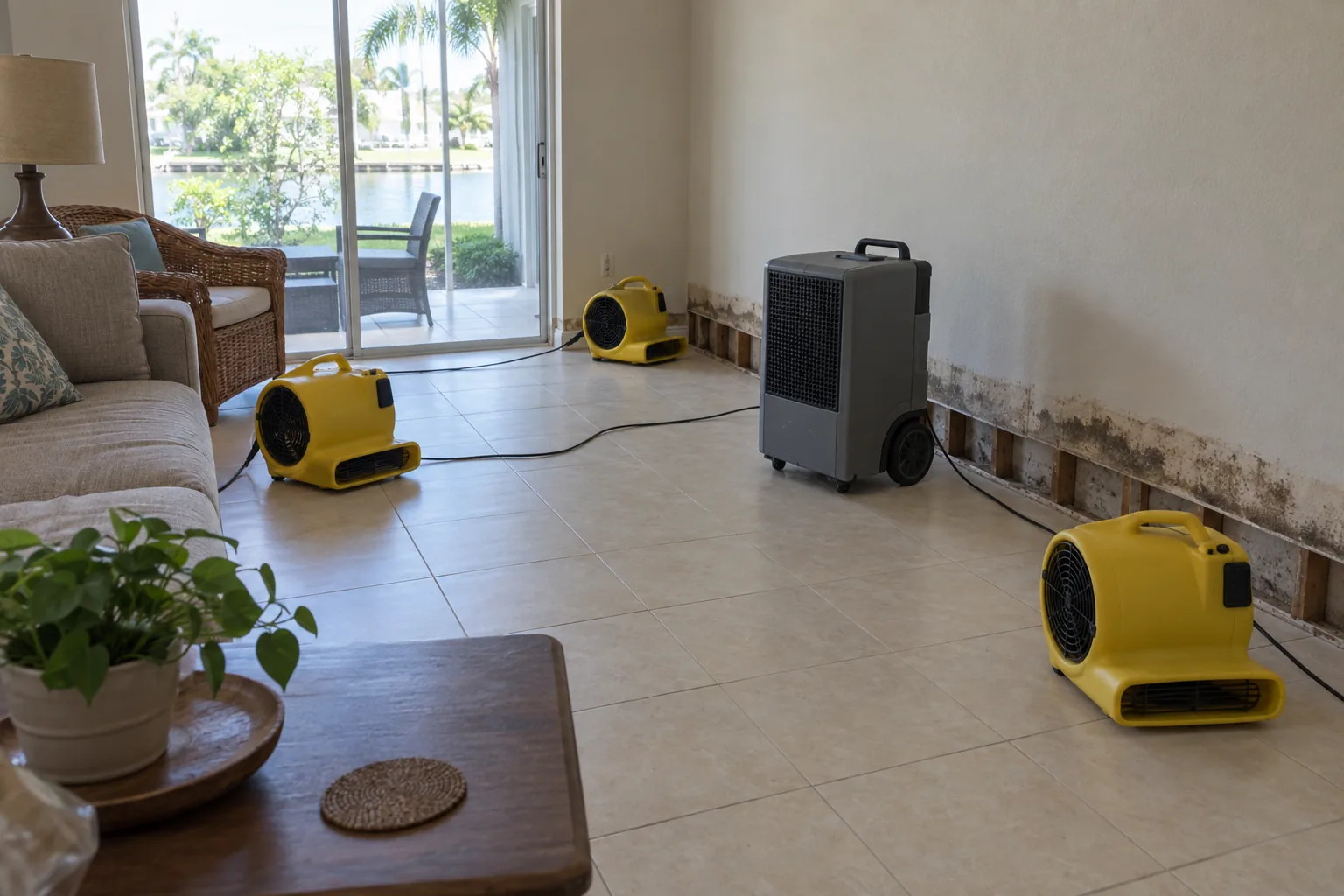
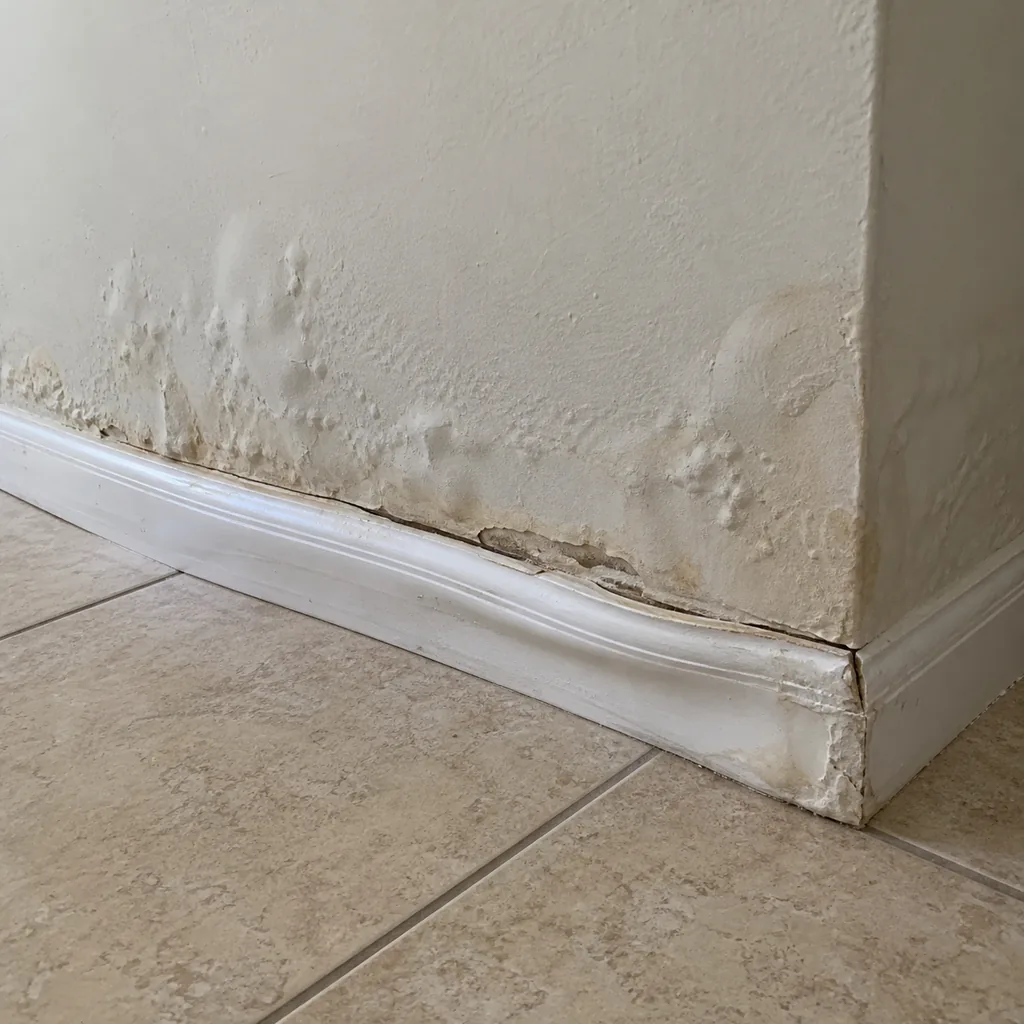
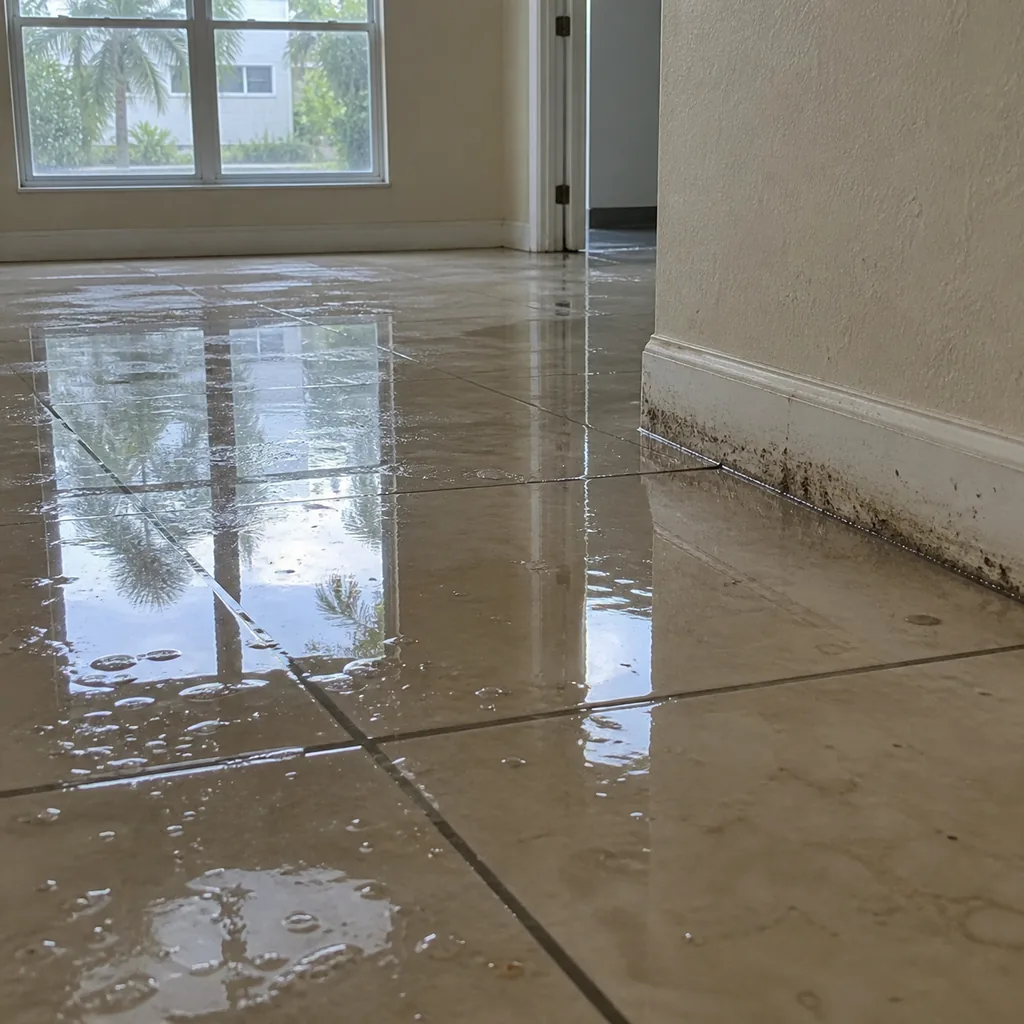
If you are dealing with water damage Orlando FL conditions, the next best step is a moisture inspection and a written scope so you know what is wet, what can be saved, and what needs to be removed.
Call Now +1 689 220 2333Straight answers before work begins
You should start professional extraction and drying as soon as possible because moisture can wick into drywall, trim, and flooring quickly in Orlando's humid conditions. The sooner the drying plan is set, the better the chances of limiting swelling, staining, and secondary damage.
Cleanup focuses on stopping the spread, extracting water, and drying the structure; restoration is the full path back to pre-loss condition, which can include cleaning, material removal, and planning for repairs after drying is verified. Many projects in water damage Orlando involve both phases, but the scope depends on water category and how far it traveled.
Sometimes, yes, if the water is clean and the materials are structurally sound and accessible for drying. We confirm with moisture readings and inspection, then decide whether targeted drying, and in some cases small access openings, is appropriate or if removal is the safer choice.
Often you can stay if the affected area can be contained and utilities remain safe, but it depends on the size of the loss, noise from equipment, and whether the water is contaminated. For Category 2 or Category 3 losses, limited access or temporary relocation is more common.
Many dry-outs take about 3 to 5 days, but the real timeline depends on materials, how saturated the structure is, and indoor humidity levels. We base completion on moisture targets, not the calendar, and we document readings so drying is verified.
Yes. Carpet pad can hold a lot of moisture, and subfloors can stay damp under finished flooring even when the surface looks dry. Proper extraction and dehumidification, plus moisture checks, reduce the chance of lingering odors and microbial growth.
Have any photos you took, details on when you first noticed the leak, and access to the affected rooms, shutoff valves, and the HVAC closet if AC drainage might be involved. If you have an insurance claim, the claim number and adjuster contact can help keep documentation organized.
Start with a moisture inspection
Tell us what happened and where the water is showing up. We will schedule an inspection, map the moisture, and give you a clear plan for water removal, drying, and restoration steps.